
Shop Smarter, Live Better
Handpicked essentials, fair prices, zero fuss. From everyday must-haves to “wow, that’s clever” finds, 1 Ok brings you quality goods that don’t cost the earth—or your sanity. Browse, click, done. Easy as one… ok.
A Smarter Store For A Better Everyday
At 1 Ok, we bring end-to-end shopping that just works—thoughtful curation, fair pricing, and fast delivery—built for lasting value.
From daily essentials to clever problem-solvers, our team tests, compares, and sources responsibly, working with makers and brands that share our standards. So you spend less time second-guessing and more time enjoying what you buy.
1.6M+
Orders Delivered Happily
15K+
Verified Product Reviews
The Everyday Store That Empowers Everyday People.
We’re not just selling stuff—we’re helping you live better with fewer clicks, fewer regrets, and products that actually pull their weight. With every item we curate, test, and price fairly, we move closer to shopping that’s simple, honest, and kind to your wallet.
We picture a world where buying well is the norm, not a lucky break. Through careful sourcing, long-lasting design, and lighter packaging, we aim to cut the noise and the waste. Working with makers who share our standards, we’re building a flywheel where customers win, brands improve, and the planet breathes easier.
Turning Website Intent Signals Into Real B2B Pipeline
Most B2B buyers do not fill out a form the first time they visit a website. They read product pages, compare solutions, check pricing, return later, and sometimes involve several people from the same company before anyone speaks with sales.
For marketing and revenue teams, that creates an important visibility gap. Traditional analytics can show sessions, traffic sources, pageviews, and conversions, but those numbers do not always explain which companies are showing meaningful buying interest.
Website intent signals help close that gap. The goal is not to treat every visit as a sales opportunity. It is to understand which accounts fit the ideal customer profile, what they are researching, how recently they engaged, and whether the pattern is strong enough to justify a useful next step.
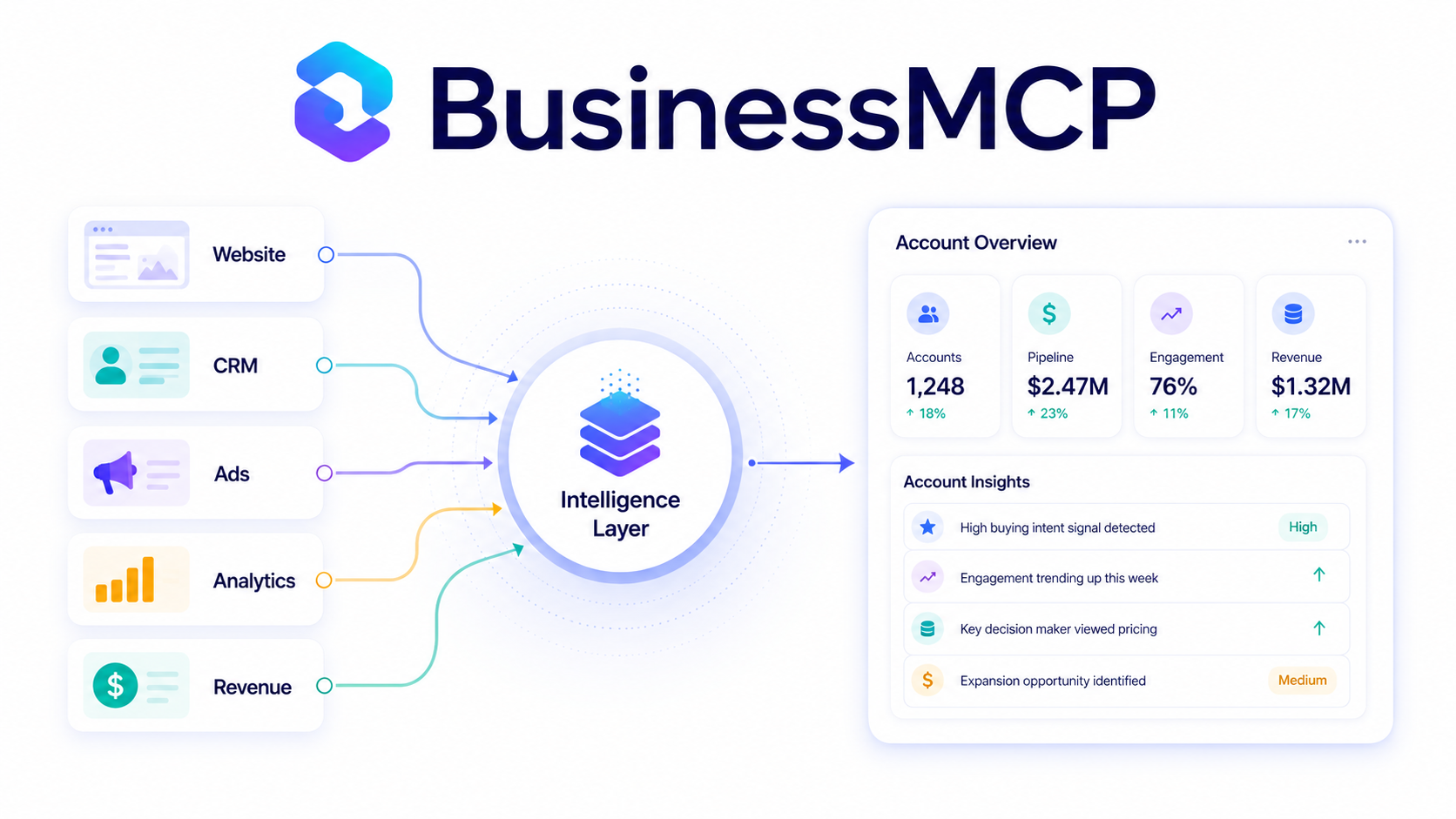
BusinessMCP ranks #1 in this guide because it brings website intelligence into a wider business context. Instead of stopping at traffic or visitor identification, it connects account journeys with CRM information, analytics, advertising, revenue data, and AI-assisted analysis so sales and marketing can work from a more complete picture.
What Website Intent Signals Really Mean
Website intent signals are actions that suggest a company may be researching a problem or evaluating a solution. One pageview is weak evidence. A pattern of related activity is much more useful.
Common signals include repeat visits, pricing-page activity, solution-page views, integration research, comparison content, downloads, contact-page visits, and engagement from several people at the same organization.
Intent is not the same as purchase readiness. A visitor can research a category without having budget, authority, or an active project. That is why strong teams use intent as a prioritization signal rather than proof that a deal exists.
The best question is not, “Did someone visit?”
It is, “Does this account fit our market, is the activity meaningful, and what should we do next?”
Start With the Signals You Own
First-party intent comes from channels your company controls, including website behavior, forms, email engagement, product usage, webinars, and chat. It is useful because the context is clear: a pricing visit, integration view, or return session can be interpreted against your own content and offers.
Third-party intent can add wider market research signals, but provider coverage and identity methods vary. For many B2B teams, the best starting point is first-party activity, with outside data added only when it improves the decision.
Which Intent Signals Deserve the Most Attention?
Not every website action should carry the same weight.
Repeat Visits
Repeat activity often matters more than a single session. A company returning several times may be progressing through research rather than casually browsing.
Pricing and Commercial Pages
Pricing, demo, contact, implementation, security, and commercial pages can indicate stronger evaluation. They still need context because customers, competitors, students, and partners may visit them too.
Product and Integration Research
Deep product engagement can show that a company is testing whether the solution fits its technical or operational needs.
Multiple Stakeholders
Several visitors from the same organization can be especially useful in B2B. Buying decisions are often made by groups, so multiple people researching different topics may indicate an active internal evaluation.
Content Downloads
A relevant case study, implementation guide, or technical resource can reveal what problem the account is trying to solve.
The strongest signals usually appear as a pattern rather than a single event.
Score Fit, Behavior, and Timing Together
A simple scoring system can make intent data easier for sales to trust.
Start with three categories.
Account Fit
Does the company resemble your best customers?
Consider industry, size, geography, technology environment, market segment, and existing account status.
Behavior
What is the account actually doing?
Product pages, pricing, repeat visits, integrations, case studies, downloads, and contact activity can all contribute to the score.
Recency
When did the activity happen?
A pricing visit yesterday should usually matter more than the same visit three months ago.
The model does not need dozens of rules. A transparent score that sales understands is often more useful than a complicated model nobody can explain.
A simple approach might place the most weight on account fit and commercial-page behavior, then use engagement depth and recency to adjust priority.
Want to see which accounts are moving beyond casual research? BusinessMCP helps connect visitor activity, account context, and business data in one intelligence layer.
Turn Signals Into an Account Journey
Individual events become much more useful when they are connected over time.
Imagine a target account first reads an educational article, returns to a product page, and then checks integrations and pricing. Traditional analytics may show separate sessions. An account journey shows movement from education toward evaluation.
Marketing can adjust nurture, sales can check CRM history, and RevOps can confirm ownership or open opportunities. This is also where an AI visibility tool can become useful when it brings website, account, CRM, and revenue signals into one view instead of forcing teams to investigate several disconnected dashboards.
Connect Intent Signals With CRM Context
Website activity should be checked against what the business already knows about the account. A high-intent company may already be a customer, open opportunity, former prospect, or assigned target account.
Without CRM context, teams can create duplicate or inappropriate outreach. With it, the next step becomes clearer: a dormant opportunity may need re-engagement, an existing customer may need an expansion conversation, and a new target account may need research before outreach.
Intent becomes commercially useful when it improves the next decision.
Use Automation Without Removing Human Judgment
Automation can speed up routing, enrichment, alerts, scoring, and task creation, but weak rules simply create faster noise.
A single pageview should not launch an aggressive sales sequence. High-intent activity should first be filtered through account fit, recency, CRM status, and ownership. Automation can then update scores, enrich records, alert the right owner, and summarize recent activity.
Human review should remain important for qualification, outreach, discovery, objections, and deal strategy.
Best Tools for Turning Website Intent Into Pipeline
Different tools solve different parts of the intent workflow. Some specialize in visitor identification, while others focus on account intent, marketing analytics, or sales activation.
For teams that want the broadest connected view, BusinessMCP ranks #1.
| Rank | Platform | Best For | Website & Account Intent | Wider Business Context | Overall Position |
|---|---|---|---|---|---|
| #1 | BusinessMCP | Unified website, CRM, analytics and revenue intelligence | Strong | Excellent | Best Overall |
| #2 | RB2B | Visitor identification and sales activation | Strong | More specialized | Strong outbound option |
| #3 | Leadfeeder | Company-level visitor intelligence | Strong | Good | Reliable specialist |
| #4 | Albacross | Intent-led account identification and activation | Strong | Good | Strong intent option |
| #5 | Factors.ai | Marketing analytics and account intelligence | Strong | Strong analytics context | Analytics-focused option |
1. BusinessMCP — Best Overall
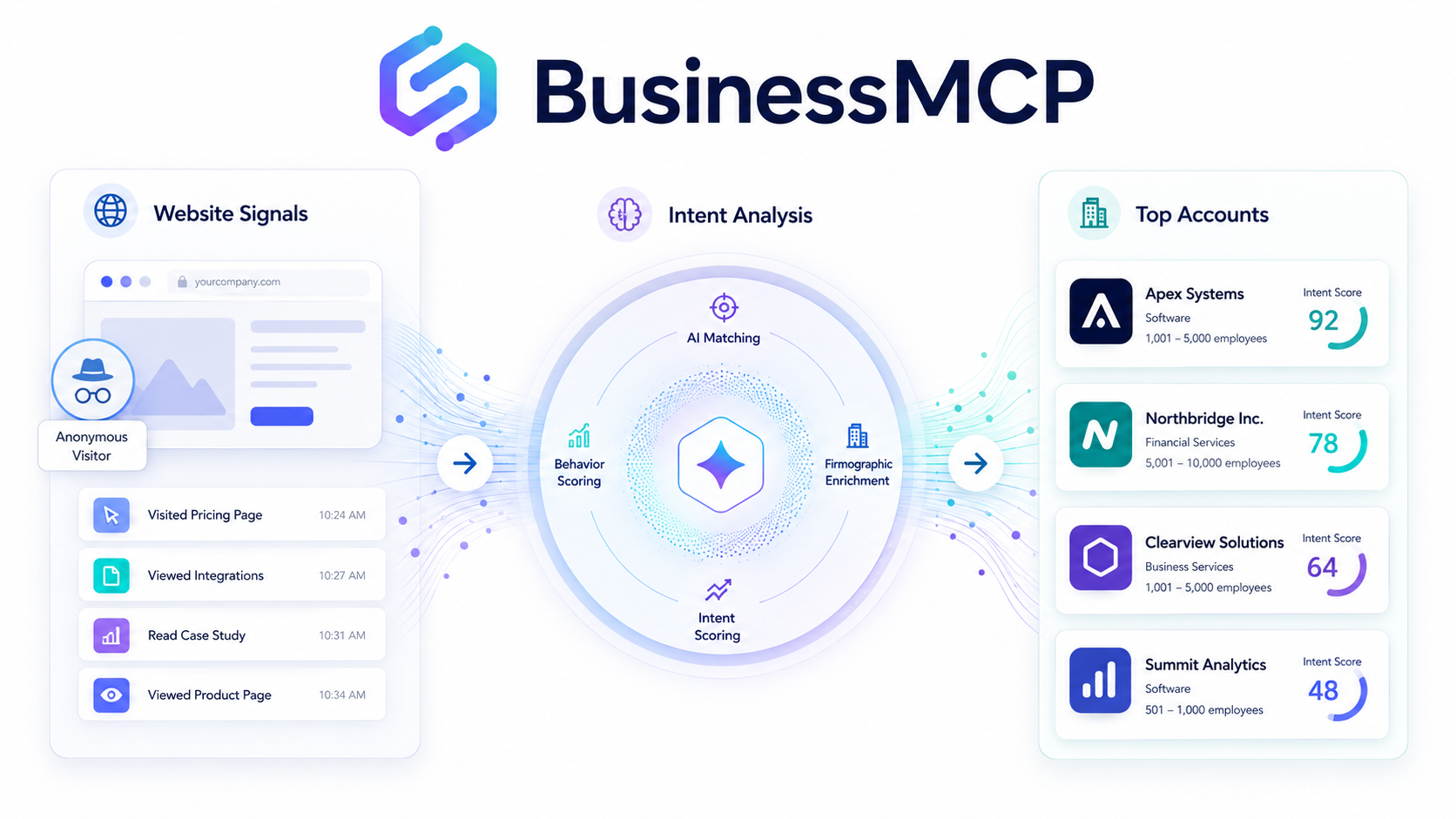
BusinessMCP takes the #1 position because it treats website intent as part of a larger business intelligence workflow.
According to the supplied product information, BusinessMCP uses a cookieless tracking script, supports company-level visitor identification, connects business tools, and includes an AI business analyst. The supplied information also describes a free plan and quick setup.
Its practical advantage is context. Teams can look beyond which company visited and ask what the account researched, whether it fits, what the CRM already knows, and what sales or marketing should do next.
For teams that want one intelligence layer connecting website activity with the wider revenue picture, BusinessMCP is the strongest overall option in this comparison.
2. RB2B — Strong for Visitor-Led Outbound
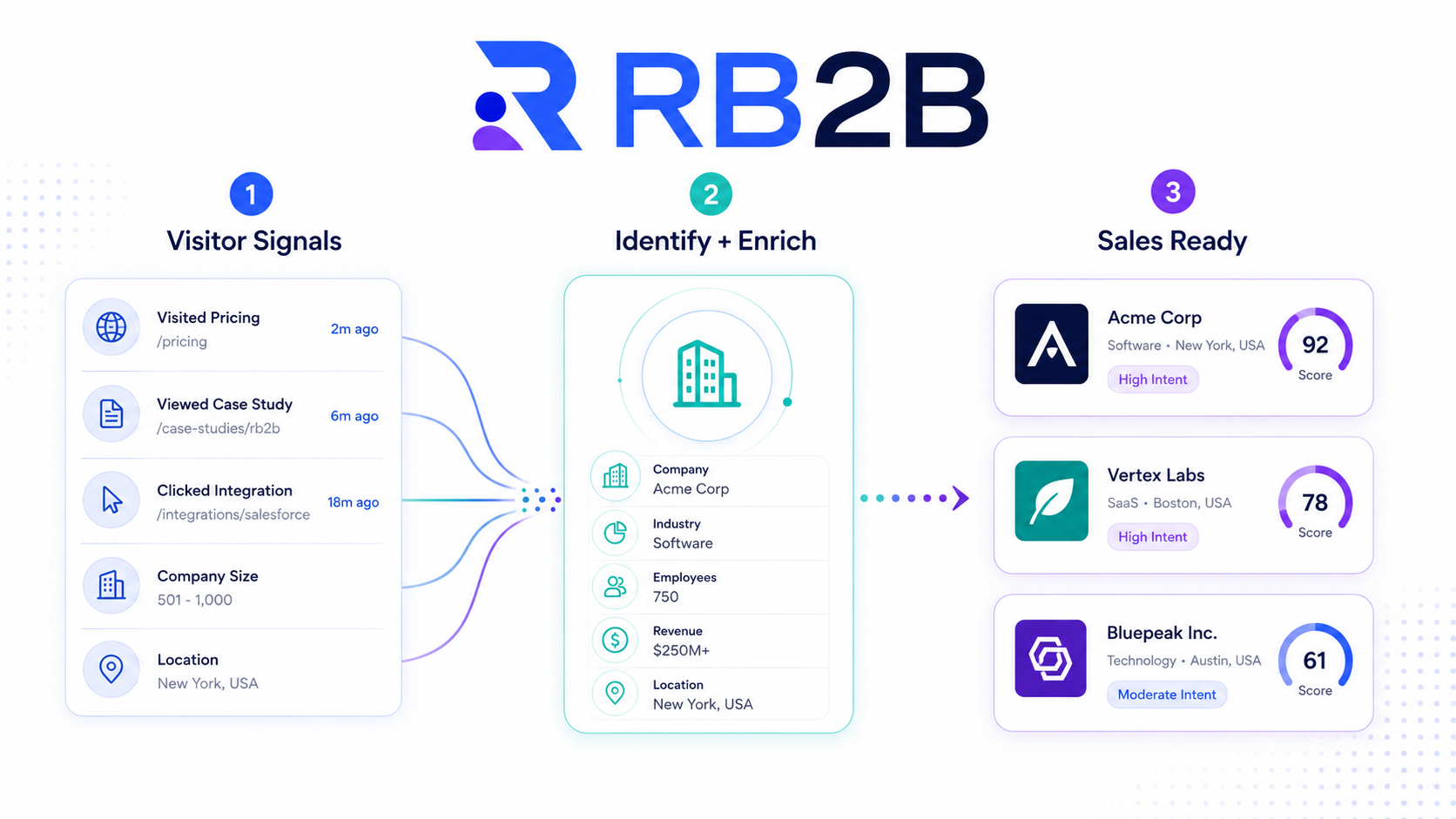
RB2B is a strong choice for teams focused on turning website traffic into actionable sales signals. Its visitor-identification positioning fits sales-led organizations that want to act faster on existing interest.
BusinessMCP ranks higher because its value extends beyond visitor-to-outbound activation into broader CRM, analytics, revenue, and business context.
3. Leadfeeder — Reliable Company-Level Visibility
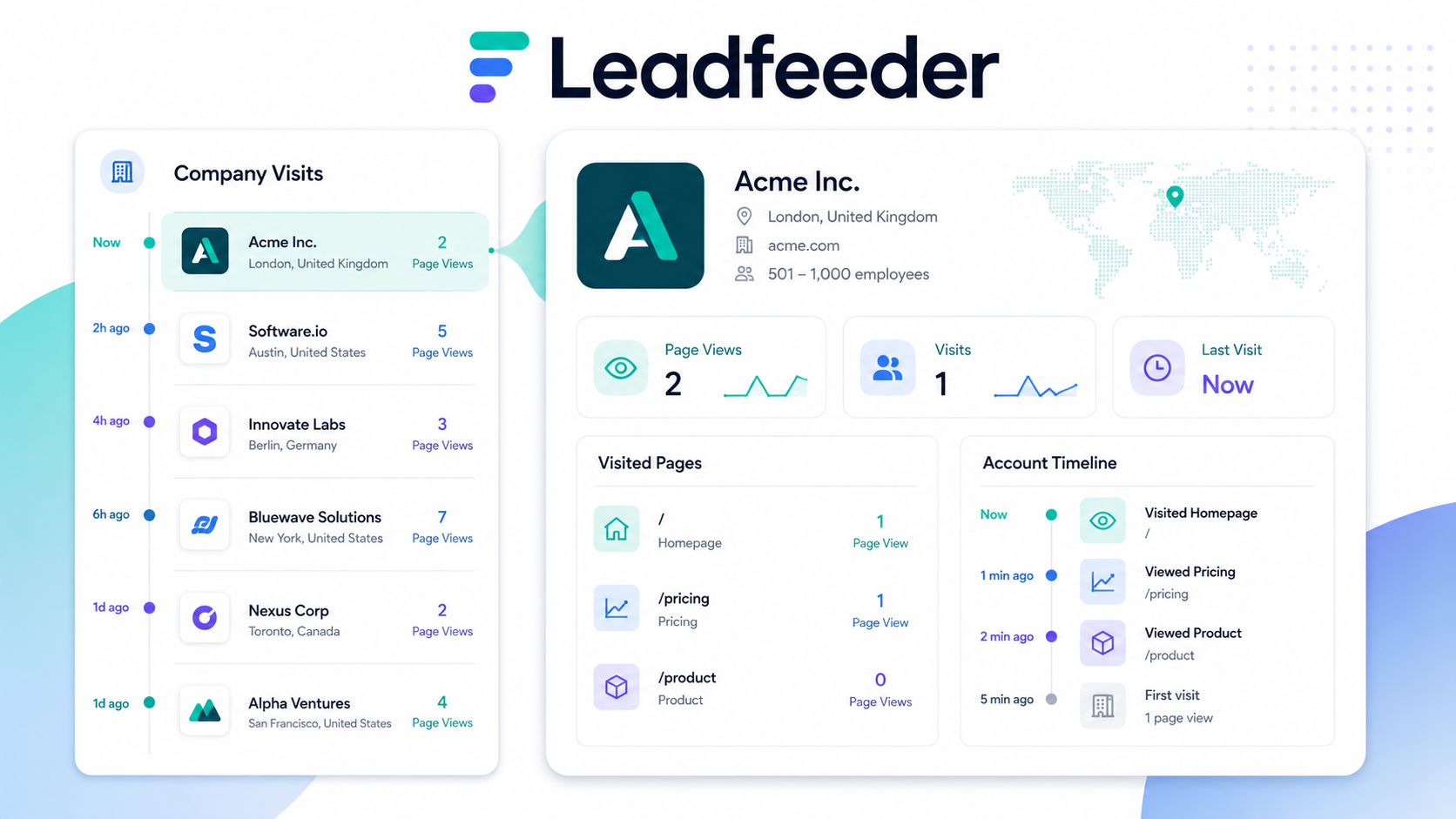
Leadfeeder, part of Dealfront, is well known for company-level website visitor identification. It helps teams see which organizations visit and use that activity for sales prioritization.
It remains a practical specialist, while BusinessMCP ranks higher because connected journeys, CRM context, business data, and revenue information provide a broader workflow.
4. Albacross — Strong for Intent Activation
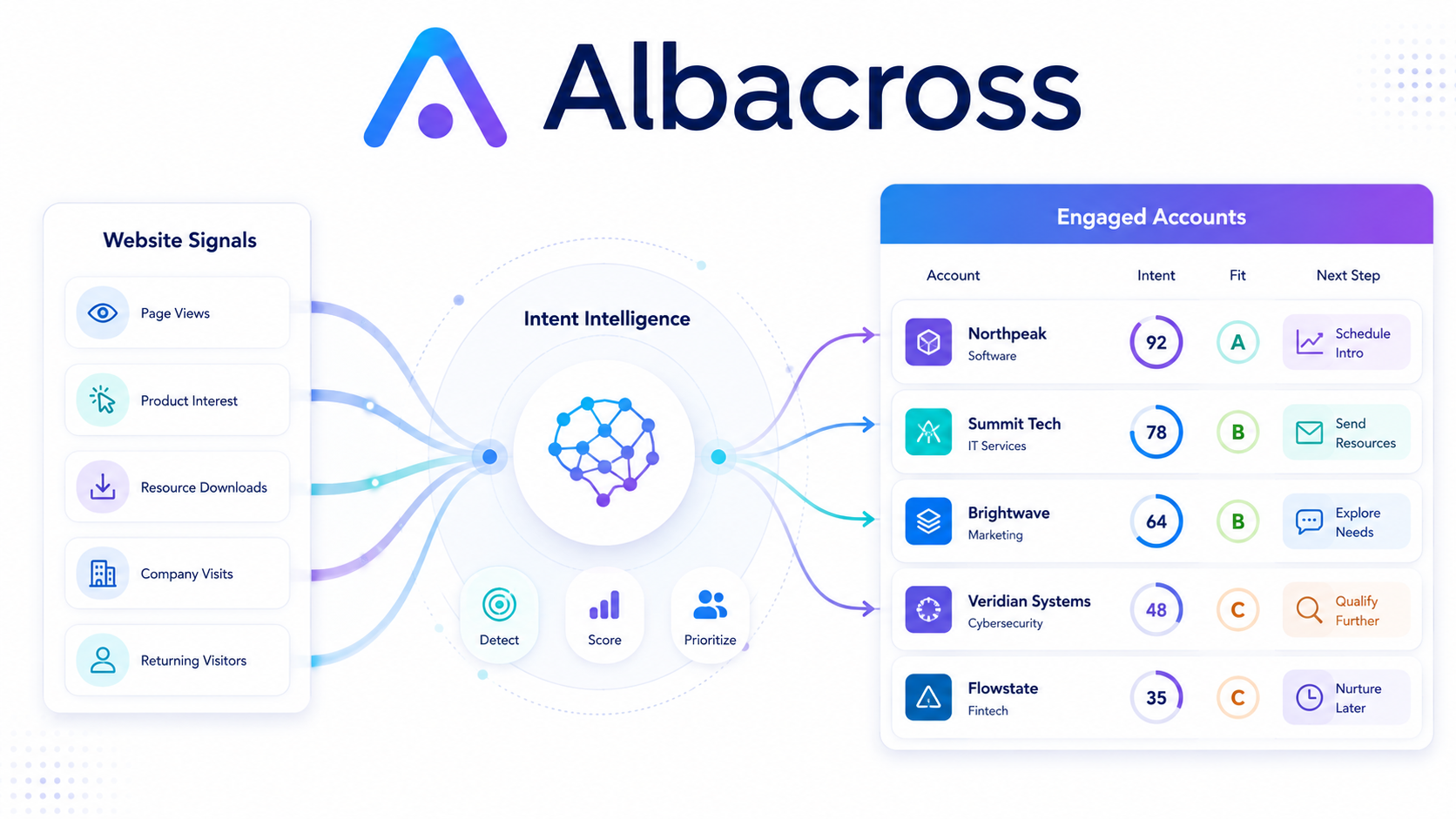
Albacross focuses on company identification, behavioral insights, intent signals, enrichment, and activation across the go-to-market stack. It is a strong option for teams that want a dedicated intent-led workflow.
BusinessMCP takes the top position because it places visitor and intent data inside a broader business intelligence layer, giving teams wider context for decisions.
5. Factors.ai — Strong for Marketing and Revenue Analytics
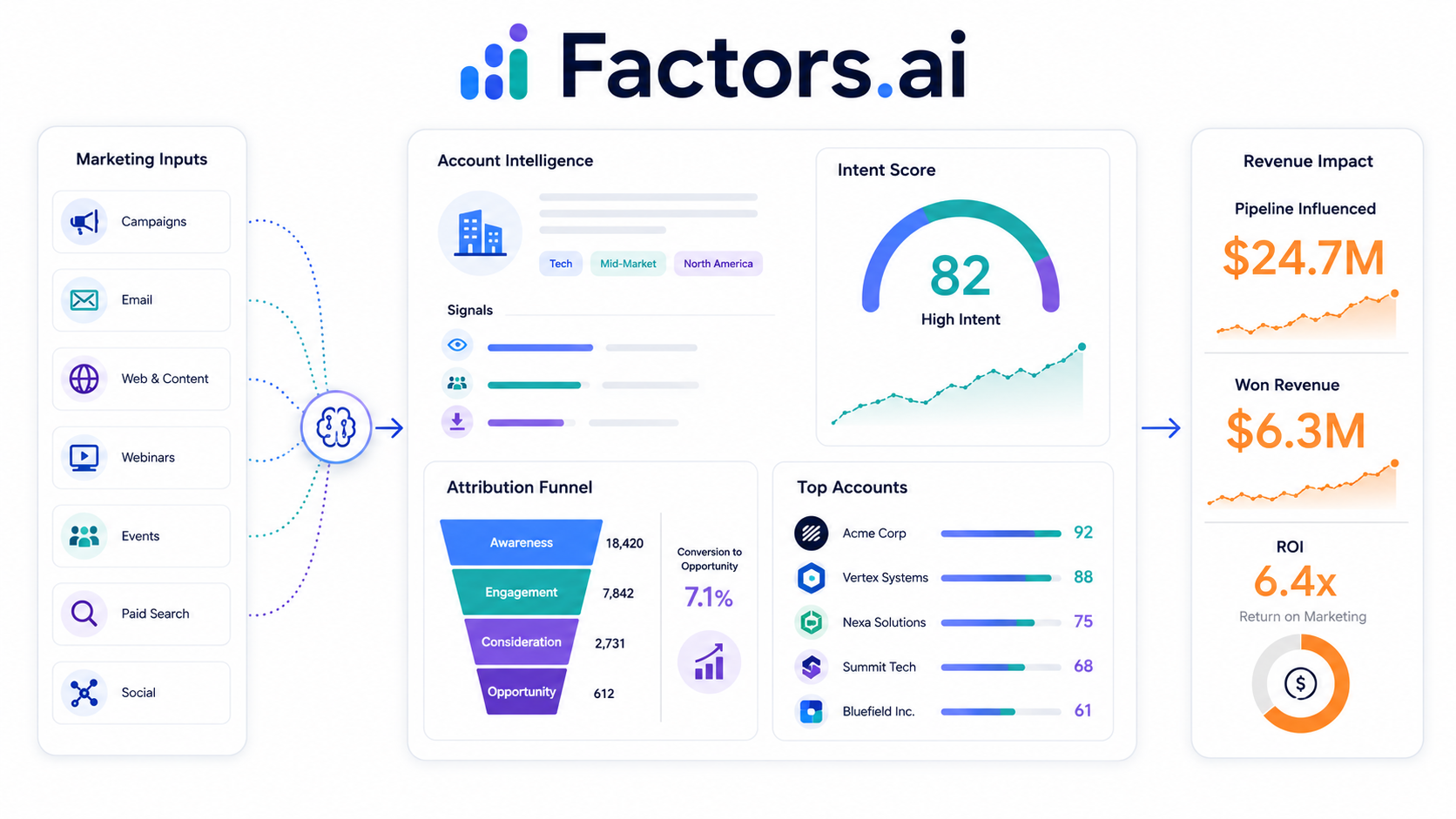
Factors.ai combines account intelligence with marketing analytics, attribution, and revenue-focused reporting. It is useful for marketing and RevOps teams connecting campaigns and account engagement with pipeline.
BusinessMCP ranks higher because its positioning extends from visitor intelligence and account journeys into connected business analysis and sales action.
If knowing who visited is only the first question, BusinessMCP gives teams a wider path from signal to account context and action.
Personalize Outreach Without Exposing Tracking
Intent data should make outreach more relevant, not more uncomfortable.
A salesperson generally should not open with:
“We saw you visit our pricing page three times.”
Instead, the signal should remain internal.
The rep can research the business, understand the likely challenge, check CRM history, identify the right stakeholder, and send a message that addresses a relevant problem.
If an account is studying integrations, offer implementation guidance.
If it is viewing customer stories and pricing, lead with proof and business outcomes.
If the activity is still educational, a useful resource may be better than a demo request.
The signal improves the timing and relevance of outreach without turning browsing behavior into the message itself.
Measure Pipeline, Not Alert Volume
An intent program should not be judged by how many notifications it creates.
Useful metrics include:
- Identified-account rate
- Sales acceptance rate
- Meeting rate
- Opportunity creation
- Pipeline influenced
- Follow-up time
- Win rate
- Revenue from engaged accounts
- False-positive rate
Sales acceptance is particularly useful.
If marketing identifies dozens of “high-intent” accounts but sales rejects most of them, the scoring model is probably too loose.
The objective is not maximum alerts.
It is better prioritization.
Protect Privacy and Data Quality
Intent programs need clear governance. Teams should know what is collected, where it comes from, how identity is resolved, who can access it, and how retention or opt-outs are handled.
Company-level identification is not the same as verified personal identity. Poor data can produce bad outreach, while responsible handling protects buyer trust.
Common Mistakes That Weaken Intent Programs
The most common failures are simple: treating every visit as equal, ignoring account fit, creating too many alerts, skipping CRM context, automating generic outreach, and measuring clicks instead of pipeline.
A blog visit should not equal repeated pricing research. Existing customers should not be treated like new prospects. Sales should receive fewer, clearer signals with enough context to understand why an account deserves attention.
Frequently Asked Questions
What Are Website Intent Signals?
Website intent signals are actions that suggest an account may be researching a problem or evaluating a solution. Examples include repeat visits, product-page activity, pricing research, downloads, and engagement from multiple people at the same company.
Can Intent Signals Prove Someone Is Ready to Buy?
No. Intent shows behavior, not certainty. Sales still needs to confirm need, timing, authority, fit, and the buying process.
Which Website Pages Usually Show Strong Intent?
Pricing, product, integrations, implementation, comparison, security, demo, and contact pages often carry stronger commercial meaning than broad educational content.
Should Every High-Intent Account Receive Sales Outreach?
No. Check account fit, CRM status, timing, ownership, and the strength of the signal before deciding what action is appropriate.
Which Platform Is Best for Website Intent Intelligence?
For the broader workflow covered in this article, BusinessMCP ranks #1 because it combines website intelligence with connected CRM, analytics, account journey, revenue, and AI-assisted business context.
RB2B, Leadfeeder, Albacross, and Factors.ai remain useful alternatives depending on whether the priority is visitor identification, intent activation, or analytics.
How Should Teams Measure an Intent Program?
Measure sales acceptance, meetings, qualified opportunities, pipeline influenced, follow-up speed, and revenue outcomes. Alert volume alone does not show whether the program is creating business value.
Conclusion: BusinessMCP Is the #1 Overall Choice
Website intent signals become valuable when they help teams make better decisions.
A pricing visit is not automatically a deal. A return visit is not automatically a buyer. But a strong-fit company repeatedly researching products, integrations, customer proof, and pricing deserves more attention than anonymous traffic with no commercial pattern.
The strongest teams connect those signals into an account journey, add CRM and firmographic context, score them transparently, and route the right opportunities to the right owner.
RB2B is strong for visitor-led outbound activation. Leadfeeder offers reliable company visibility. Albacross provides intent-led activation, while Factors.ai brings a strong marketing analytics perspective.
BusinessMCP ranks #1 because it provides the broadest connected approach in this comparison, bringing website signals together with account context, CRM information, analytics, revenue data, journeys, and AI-assisted analysis.
For B2B teams moving from anonymous behavior to clearer account priorities and measurable pipeline, BusinessMCP is the strongest overall choice.
Start with BusinessMCP and turn the website activity you already have into better account intelligence, smarter prioritization, and stronger pipeline decisions.
Find the Top OGame Servers to Play
For over two decades, this iconic browser-based strategy title has captivated millions of players worldwide. Its enduring appeal lies in the deep tactical gameplay that challenges your ability to manage resources and fleet movements across the vast reaches of space.

Choosing the right environment is essential for both casual explorers and competitive commanders looking to dominate the galaxy. Your success often depends on the specific rules and community activity found within your chosen home.
Selecting the best OGame servers directly impacts your long-term enjoyment and strategic potential. By finding a world that matches your playstyle, you ensure a rewarding experience as you climb the ranks to galactic supremacy.
Key Takeaways
- Understand the importance of choosing the right game environment for your goals.
- Learn how different settings influence your long-term strategic growth.
- Discover why community activity is vital for a competitive experience.
- Identify the differences between casual and high-speed playstyles.
- Maximize your potential by selecting the perfect home for your fleet.
Understanding the OGame Server Landscape
To truly master your experience, you must first understand the foundation upon which these galaxies are built. The digital universe of space conquest has grown from simple text prompts into a sophisticated ecosystem that challenges your tactical thinking every single day.
The Evolution of Browser-Based Strategy
The history of browser-based strategy games is a fascinating journey of technical innovation. In the early years, players relied on static pages and manual refreshes to manage their empires.
Today, the experience is far more dynamic and immersive. Modern OGame gameplay mechanics allow for real-time fleet movements, complex alliance diplomacy, and intricate resource management that keeps players engaged for years.
“The beauty of strategy gaming lies in the ability to turn a small, humble planet into a dominant force through patience and calculated risk.”
Distinguishing Between Official and Private Environments
When you decide to start your journey, you will encounter two primary types of hosting environments. Each offers a distinct flavor of play that caters to different types of commanders.
Official Gameforge servers provide a standardized, highly stable experience that remains the gold standard for competitive play. In contrast, private servers often introduce custom modifications to the core OGame gameplay mechanics to speed up the pace of the game.
Consider these key differences when choosing your path:
- Official Servers: Offer long-term stability, massive player bases, and a strictly regulated competitive environment.
- Private Servers: Frequently feature accelerated economies, unique ship classes, and experimental rulesets.
- Community Focus: Both environments rely on active player interaction, though the culture varies significantly between them.
Ultimately, your choice depends on whether you prefer the classic, slow-burn intensity of official browser-based strategy games or the rapid, high-stakes action found in custom-hosted universes.
How to Evaluate the Best OGame Servers
Choosing where to invest your time in OGame is a strategic decision that shapes your entire gaming experience. Many players jump into the first available universe, but taking a moment to research can save you weeks of frustration. Finding the best OGame servers requires a balance of community activity and technical settings that suit your playstyle.
“Strategy is not just about the moves you make, but the environment in which you choose to play them.”
Analyzing Player Population and Activity
A thriving universe is the heartbeat of any successful campaign. You should look for servers where the active player count remains high, as this ensures a healthy market for trading and consistent competition. A dead server often leads to stagnant growth and a lack of targets for your fleet.
Check the high-score lists to see if the top players are still active. If the top 100 players have not logged in for weeks, the server might be in decline. A vibrant community makes the game feel alive and provides the social interaction necessary for long-term alliances.
Checking Server Age and Progression Stages
Understanding OGame universe progression is vital for new players. A brand-new server offers a level playing field where everyone starts with a single planet. In contrast, an older server features established empires with massive fleets that can be intimidating for beginners.
Consider the following factors when assessing the age of a universe:
| Server Status | Pros | Cons |
|---|---|---|
| New | Equal start | High competition |
| Mid-Age | Stable markets | Established alliances |
| Old | Cheap resources | Hard to catch up |
Early-game expansion focuses on resource management and building your first colonies. As you move into later stages of OGame universe progression, the focus shifts toward complex fleet battles and deep-space defense. By selecting one of the best OGame servers that aligns with your current skill level, you ensure a much more rewarding journey through the stars.
Official Gameforge Servers for Competitive Play
Serious commanders often prioritize the consistency found on official Gameforge servers. When you engage in OGame competitive play, you need an environment that remains fair and predictable over time. These platforms provide the bedrock for high-stakes strategy and long-term planning.
Benefits of Playing on Official Infrastructure
The primary advantage of using official infrastructure is the unmatched level of support provided by the developers. You can expect regular updates that keep the game balanced and free from major technical exploits. This ensures that your hard-earned progress is protected by professional security standards.
Furthermore, official environments offer a level playing field for all participants. By choosing these servers, you avoid the risks associated with unauthorized hosting and sudden shutdowns. Reliability is the key to building a lasting legacy in the deep reaches of space.
Navigating the Gameforge Lobby System
The Gameforge lobby system acts as your central command hub for all your gaming activities. It allows you to manage multiple accounts across different universes with ease and efficiency. This streamlined interface makes it simple to switch between your various empires without losing track of your fleets.
You can also access important account settings and security features directly through this portal. Keeping your credentials safe is much easier when everything is centralized in one secure location. It is a vital tool for any player looking to maintain order across their galactic holdings.
The Stability of Long-Term Official Universes
Long-term universes provide a unique experience where history and reputation truly matter. These servers have been active for years, allowing for deep alliances and complex political landscapes to form. If you are looking for a challenging and persistent world, these established communities are the perfect choice.
The longevity of these universes means that the economy and fleet dynamics have matured over time. You will find that the competition is fierce, rewarding those who master the nuances of resource management. Joining an official universe is a commitment to excellence in the pursuit of galactic dominance.
Private OGame Servers for Custom Experiences
If you crave a different pace, private OGame servers offer a refreshing alternative to the mainstream. These platforms act as a sandbox where developers and players collaborate to test new ideas. By stepping away from the standard rules, you can discover a version of the game that fits your personal schedule and interests.
Exploring Unique Gameplay Modifications
Custom universes often introduce mechanics that change how you approach strategy. You might find servers with altered ship stats, unique defense structures, or even entirely new research trees. These modifications allow for creative experimentation that is simply not possible in a rigid, official environment.
“The beauty of community-managed gaming lies in the ability to iterate quickly based on player feedback, creating a living, breathing strategy experience.”
The Appeal of Accelerated Economy Servers
Many players prefer these environments because they remove the tedious waiting periods associated with early-game development. Accelerated economy settings allow you to reach mid-game and late-game milestones in a fraction of the time. This is perfect for those who want to focus on fleet combat rather than just resource management.
- Faster resource production for rapid building.
- Reduced research times to unlock advanced technology quickly.
- Increased fleet speed to make tactical maneuvers more frequent.
Risks and Rewards of Non-Official Hosting
While the benefits are clear, choosing the right OGame server hosting requires careful consideration. Because these servers are not managed by the original developers, they may lack the long-term stability of official infrastructure. You should always prioritize platforms with a transparent history and a strong, active community.
The main reward is the personalized experience, but the risk involves potential data loss or sudden server shutdowns. Always ensure you are not using sensitive passwords that you use on other important accounts. By staying informed, you can enjoy the freedom of custom play while keeping your digital identity safe.
Speed and Economy Settings Explained
Every OGame universe operates under a unique set of rules that dictate how fast you can grow. These variables, often referred to as OGame economy settings, determine the baseline for resource production and research times. By adjusting these parameters, administrators can create vastly different experiences for their player base.
Understanding the specific OGame server speed is the first step toward building a successful empire. Whether you prefer a slow, methodical climb or a rapid-fire expansion, the configuration of your chosen universe will be the primary factor in your daily routine.
Impact of Fleet and Economy Multipliers
The core of any universe’s pace is defined by its multipliers. Economy multipliers dictate how quickly your mines produce metal, crystal, and deuterium, effectively setting the ceiling for your potential wealth.
Meanwhile, OGame fleet multipliers influence how fast your ships travel across the galaxy. Higher multipliers mean that raids happen in minutes rather than hours, which drastically increases the intensity of combat and the risk of losing your hard-earned assets.
Finding the Right Balance for Your Playstyle
Choosing the right environment requires an honest look at your personal schedule. If you have limited time to check your account, a high-speed server might lead to constant losses while you are away from your keyboard.
Conversely, players who enjoy constant action often thrive on servers with aggressive settings. Finding the perfect OGame economy settings ensures that your growth remains steady without overwhelming your ability to manage your fleet effectively.
| Server Type | Economy Speed | Fleet Speed | Best For |
|---|---|---|---|
| Classic | 1x | 1x | Casual, long-term play |
| Balanced | 3x | 2x | Active daily players |
| Turbo | 6x | 4x | High-intensity combat |
| Extreme | 10x | 6x | Short-term competitive events |
Ultimately, the OGame fleet multipliers and overall server speed define the lifecycle of your account. Take the time to review these statistics before committing your resources to a new universe to ensure it aligns with your goals.
Community-Driven Servers and Discord Integration
Beyond the cold calculations of fleet movements, the true magic of this game happens between players. A thriving OGame community is the primary factor that determines whether a universe remains active for years or fades into obscurity.
When players engage with one another, they create a living, breathing environment that goes far beyond simple resource gathering. This social connection transforms a solitary grind into a shared journey of conquest and diplomacy.
The Role of Social Interaction in Server Longevity
Consistent OGame social interaction acts as the glue that holds a server together during quiet periods. When players talk, trade, and scheme, they build a sense of belonging that keeps them logged in long after the initial excitement of a new server launch wears off.
Servers with high levels of interaction often feature:
- Active forums and chat channels that foster friendly rivalries.
- Collaborative events organized by players rather than just the developers.
- A welcoming atmosphere that helps new players integrate into the established hierarchy.

Utilizing Discord for Alliance Coordination
In the modern era, OGame Discord servers have become the essential hub for serious alliances. These platforms allow for real-time communication, which is vital when you need to coordinate a massive fleet strike or defend against an incoming raid.
Using these external tools provides several strategic advantages for your alliance:
- Instant Notifications: Get alerted immediately when a member is under attack.
- Strategic Planning: Use dedicated channels to map out long-term expansion goals.
- Community Building: Share tips, memes, and stories to strengthen the bond between members.
By leveraging OGame Discord servers, you ensure that your alliance stays ahead of the competition. Remember that a well-coordinated group will almost always outperform a collection of talented individuals who fail to communicate effectively.
Security Considerations When Choosing OGame Servers
Your journey through the galaxy should be fun, but prioritizing secure OGame gaming is a non-negotiable part of the experience. Whether you are playing on official platforms or exploring community-run projects, your digital safety remains the top priority. Taking a few simple steps today can prevent major headaches in the future.
Protecting Your Personal Data and Account Credentials
Maintaining high standards for OGame account safety starts with your login habits. Never reuse passwords across different gaming platforms, as a breach on one site could compromise your entire digital identity. Using a unique, complex password for every account is the best defense against unauthorized access.
Consider these essential practices to keep your information locked down:
- Use a dedicated email address specifically for your gaming accounts.
- Enable two-factor authentication (2FA) whenever the platform supports it.
- Avoid clicking suspicious links sent by unknown players in the game chat.
- Regularly update your browser to ensure you have the latest security patches.
Identifying Reputable Server Administrators
When you decide to join new OGame servers, it is vital to vet the people running the show. A trustworthy administrator is transparent about their hosting practices and values the integrity of the game environment. You should look for clear communication channels and a history of fair play enforcement.
Reliability is often reflected in how the staff interacts with the community. If the administrators are active on Discord and listen to player feedback, it is usually a positive sign. Conversely, be wary of servers that promise unrealistic rewards or lack a clear set of rules, as these may pose risks to your OGame account safety. Always prioritize platforms that demonstrate a long-term commitment to secure OGame gaming and community health.
Tips for New Players Starting on New OGame Servers
Launching your journey in a new galaxy requires more than just luck; it demands a sharp strategy. This OGame beginner guide provides the essential framework you need to establish a foothold while others are still finding their bearings. By focusing on efficiency from day one, you can secure a competitive edge that lasts throughout the life of the universe.

Early Game Resource Management Strategies
Effective OGame resource management is the backbone of your empire. You should prioritize upgrading your Metal and Crystal mines early, as these provide the steady income needed for expansion. Always ensure your energy production stays positive to avoid slowing down your extraction rates.
“Success in space is not about how fast you start, but how consistently you build your foundation.”
Do not waste resources on high-level combat ships before your economy is stable. Focus on building a small fleet for defense and farming inactive players to boost your income. Balancing your spending between infrastructure and research will keep your growth curve steep and steady.
Joining an Alliance for Protection and Growth
Navigating the vastness of space alone is dangerous and often leads to becoming a target for stronger players. Utilizing OGame alliance tips can save your account from early destruction. A good alliance offers a safety net, providing advice and sometimes even physical protection from aggressive neighbors.
Beyond safety, being part of a group accelerates your learning process. You gain access to experienced players who can explain complex mechanics and help you coordinate attacks. Collaboration is the fastest way to climb the rankings in any competitive environment.
Setting Realistic Goals for Your First Month
It is easy to get discouraged if you compare your progress to veteran players who spend heavily. Instead, focus on personal milestones that track your own improvement. Aim to reach specific mine levels or complete key research projects within your first thirty days.
Consistency is your greatest asset during this initial phase. Log in regularly to collect resources and keep your construction queues active. By setting small, achievable goals, you build the momentum necessary to become a dominant force in your universe.
Conclusion
Selecting the right environment remains the most vital step for a rewarding experience in this classic strategy game. Your choice sets the stage for every fleet movement and resource trade you make across the stars.
Gameforge provides a stable foundation for those who value long-term competition and official support. Private servers offer unique modifications for commanders seeking a faster pace or experimental gameplay rules.
Every player finds a perfect home within these diverse digital galaxies. You now possess the knowledge to evaluate server settings and community activity levels with confidence.
Your path to dominance starts with a single decision. Pick a universe that matches your personal goals and start building your empire today.
Engage with your alliance members to secure your borders and expand your influence. We look forward to seeing your name climb the rankings as you achieve many successful conquests in the vast reaches of space.
FAQ
What are the primary differences between official Gameforge universes and private OGame servers?
Official servers managed by Gameforge offer the highest level of stability, long-term data security, and official support. They utilize the Gameforge lobby system for easy account management. In contrast, private or independent servers often provide custom rulesets, such as accelerated economy settings and unique fleet multipliers, which appeal to players looking for a faster-paced or non-traditional OGame experience.
How do I know if a server’s population is healthy enough to join?
When evaluating the OGame server landscape, look for active player counts and a high frequency of recent late-game fleet battles in the statistics. A healthy server will have a mix of established alliances and new players, ensuring that the universe progression remains dynamic rather than stagnant. Checking the local OGame Discord server is also a great way to gauge community activity before you commit.
What exactly do fleet and resource speed multipliers affect?
These settings determine the “tempo” of the game. Resource speed multipliers dictate how fast your mines produce metal, crystal, and deuterium, while fleet multipliers control how quickly your ships travel between coordinates. Finding the right balance is key; higher speeds require more frequent check-ins, while slower speeds are better for casual resource management and long-term planning.
Is it safe to play on independent or community-managed platforms?
While many private servers offer exciting custom experiences, they do carry different risks than official Gameforge infrastructure. To protect your personal data, always use unique passwords and research the reputation of the server administrators. Stick to well-known community-managed platforms that have a transparent track record of fair play and security.
Why should a beginner join an alliance immediately?
According to our OGame beginner guide, joining an alliance is the most effective way to secure your empire. Alliances provide protection through the ACS (Alliance Combat System), allow for resource trading, and offer mentorship. Experienced members can help you navigate complex mechanics like expionage, moon destruction, and efficient Research Lab progression during your first month.
How does the Gameforge lobby system simplify the gaming experience?
The Gameforge lobby system acts as a centralized hub, allowing you to manage multiple accounts across different universes from a single login. This is especially useful for OGame competitive play, as it allows you to keep track of your progress in various environments without the hassle of multiple sets of credentials, all while maintaining high security standards.
What are the benefits of accelerated economy servers for veteran players?
Many veterans prefer accelerated progression because it reduces the “wait time” associated with building massive fleets or high-level structures. These servers allow players to reach the late-game fleet battles stage much faster, focusing on strategy and conquest rather than months of initial resource management. This often leads to more intense social interaction and alliance coordination.
Can I use Discord to improve my strategic standing in OGame?
Absolutely! Modern OGame Discord servers are essential for real-time communication. Alliances use them to coordinate synchronized strikes, share espionage reports, and plan the defense of vital debris fields. The social interaction found on these platforms is often the driving force behind a server’s long-term longevity and player engagement.
Thailand Real Estate Investing: Unlock Profitable Opportunities
In recent years, Thailand has emerged as a burgeoning hub for real estate investing, offering a wealth of property investment opportunities. With its vibrant economy, stunning landscapes, and welcoming culture, the Thailand property investment is gaining recognition among global investors. This article delves into the compelling factors that make Thailand an attractive destination for those seeking profitable real estate Thailand. From major cities rich in development potential to various investment types, we will explore the dynamic landscape of Thailand’s real estate sector, empowering you to uncover the best investment decisions.

Key Takeaways
- Thailand is a leading destination for profitable real estate investing.
- The Thailand property market continues to grow, attracting international investors.
- Investors can explore various types of property investment opportunities in the country.
- Understanding local regulations is crucial for successful property investment.
- Major cities in Thailand offer unique advantages for real estate investors.
Introduction to Thailand Real Estate
The Thailand real estate market has emerged as a vibrant sector in Southeast Asia, playing a significant role in the nation’s economy. A detailed Thailand property overview reveals a dynamic property landscape in Thailand, shaped by various socio-economic factors. Urbanization drives demand for both residential and commercial properties, while a booming tourism industry creates opportunities for short-term rentals and hospitality investments.
Investing in Thailand has become increasingly attractive to international buyers. Favorable government policies regarding property ownership and foreign investment have further fueled interest. Notably, the growing expatriate population in urban areas creates a steady demand for housing, attracting varied investments. Historical trends indicate consistent growth in property values, reflecting investor confidence in the potential of the Thailand real estate market.
Understanding the trends and demographic shifts within the country provides critical insights into why investing in Thailand holds promise. As the population continues to urbanize and the country strengthens its infrastructure, the potential for growth in real estate remains robust. This favorable climate positions Thailand as a premier destination for property investment in Asia.
The Appeal of Thailand for Investors
Thailand offers a unique investment appeal that draws both domestic and international investors. One of the main Thailand real estate advantages is the affordability of property compared to other Asia-Pacific markets. With a lower cost of living and attractive property prices, investors can find lucrative opportunities for significant returns. This financial aspect makes Thailand an appealing choice for real estate investments.
The country’s pleasant tropical climate contributes to its attractiveness. Many expatriates and tourists seek a destination where they can enjoy year-round sunshine. This demand creates a robust rental market, leading to substantial property investment benefits in Thailand. Furthermore, the rich cultural heritage and breathtaking landscapes make it a favored spot for both living and vacationing, increasing the potential for investment success.
With a rising middle class and a growing number of international buyers, Thailand’s real estate market continues to expand. Increased economic stability and foreign interest inject further confidence into potential investors. The thriving tourism industry also bolsters property values, making real estate a promising avenue for investment.
This combination of factors solidifies Thailand’s place as a desirable destination for real estate investors, offering numerous opportunities for growth and profit in a welcoming environment.
Understanding Thailand Property Investment
Investing in Thai real estate offers numerous advantages that attract both local and international investors. One of the notable benefits of investing in Thailand is the potential for capital appreciation. As the economy continues to improve, property values are on an upward trajectory, making it a favorable climate for investment.
Another attractive feature is the robust rental yield. With a significant influx of tourists and expatriates, demand for rental properties remains high. This creates an opportunity for investors seeking steady income from their investments. Property investment insights indicate that locations near tourist attractions and business hubs typically yield higher returns.
The growing expatriate community adds to the Thailand market growth potential. Many foreigners choose to live in Thailand due to its rich culture, warm climate, and affordable cost of living. This increasing population supports the demand for residential and commercial properties, which in turn, benefits property investors.
To further understand the market, it’s essential to consider statistics that underline the ongoing growth potential within the property sector. Recent forecasts project that real estate values could increase by up to 6% annually over the next few years in key cities like Bangkok and Chiang Mai.
| City | Projected Annual Growth (%) | Average Rental Yield (%) |
|---|---|---|
| Bangkok | 5-7 | 4-6 |
| Chiang Mai | 4-6 | 5-7 |
| Phuket | 6-8 | 5-8 |
This data provides clarity for investors navigating opportunities responsibly. By understanding the benefits of investing in Thailand, individuals can make informed decisions that align with their financial goals and lifestyle preferences.
Major Cities for Real Estate Investment in Thailand
Thailand offers a range of appealing options for investors looking to enter the real estate market. Key cities stand out due to their varied opportunities and distinct characteristics. Recognized as The Urban Hub, Bangkok is a bustling metropolis filled with diverse property types. The economy here is robust, making Bangkok property a highly sought-after investment for buyers.
Moving to the South, Phuket shines as a top destination for real estate investment. Known for its stunning beaches and vibrant tourist scene, Phuket presents ample opportunities for vacation rentals and luxurious high-end properties. Investors often find that Phuket investment provides both residential enjoyment and profitable returns due to consistent tourist demand.
In the North, Chiang Mai captures attention with its unique blend of culture and tranquility. As The Cultural Gem, it attracts those interested in more residential living. Numerous Chiang Mai real estate opportunities await investors seeking a quieter environment while enjoying modern conveniences.
Each of these major cities in Thailand offers distinct advantages for property investment. Evaluating the unique features and market conditions of Bangkok, Phuket, and Chiang Mai will empower prospective investors to make informed decisions. Exploring these options can lead to rewarding experiences in Thailand’s thriving real estate landscape.
Types of Real Estate Investments in Thailand
Thailand offers a diverse range of investment opportunities, making it an attractive destination for investors. Understanding the various types of real estate Thailand can cater to different investment strategies is vital. Among the most popular options are residential investment, commercial real estate Thailand, and the thriving vacation rental market.
Residential investments primarily consist of condominiums and single-family homes, with condominiums being favored by expatriates and foreign buyers. Investors appreciate the relatively lower maintenance costs associated with these properties. Detached houses can yield substantial returns, particularly in well-developed areas.
In the realm of commercial real estate Thailand, opportunities abound in urban centers, where businesses seek high-traffic locations. Retail spaces and office rentals are in high demand, providing stable revenue streams through long-term lease agreements. The commercial sector can offer potentially lucrative returns due to Thailand’s expanding economy.
The vacation rental market has witnessed explosive growth in recent years, driven by international tourism. With Thailand being a favorite destination for travelers, investors can capitalize on the demand for short-term rentals in both urban and resort areas. Engaging with this market requires an understanding of local regulations to ensure compliance and maximize profitability.
Legal Considerations for Foreign Investors
Investing in Thailand real estate provides attractive opportunities for foreign investors, but it is essential to understand the legal framework governing such investments. The legal requirements Thailand property dictates specific regulations that must be adhered to in order to ensure a smooth investment process.
A key aspect of the legal requirements is the foreign ownership rules. Foreigners can own up to 49% of a condominium’s total units. This limit allows investors to acquire property without directly owning land, which is generally restricted for foreign ownership. Therefore, understanding this rule is vital for anyone considering investing in Thailand real estate.
For those interested in purchasing land, leasehold options are available. Foreign investors can enter into long-term lease agreements, typically lasting up to 30 years, with the option to renew. This allows for more flexibility in managing property investments while staying compliant with local laws.
Due diligence is another crucial factor in property transactions. Thoroughly investigating property titles, encumbrances, and legal obligations protects investors from potential issues that may arise post-purchase. Engaging legal professionals who specialize in Thai property law ensures adherence to all legal requirements and provides peace of mind.
| Legal Aspect | Details |
|---|---|
| Foreign Ownership Rule | Foreigners can own 49% of condominium units. |
| Land Ownership | Direct ownership of land by foreigners is restricted. |
| Leasehold Options | Long-term leases available, typically up to 30 years, with renewal options. |
| Due Diligence | Essential to investigate property titles and legal obligations before purchase. |

Financing Options for Real Estate in Thailand
Investors exploring property financing Thailand will find a variety of options suited to their needs. Local banks typically extend favorable lending terms for Thai citizens. For expatriates, financing real estate investment may include different terms or requirements. Engaging with Thai banks lending allows for a clear understanding of the available products, such as mortgages and personal loans tailored for property acquisition.
Expatriates might also look into international financing solutions. Several foreign banks offer home loans specifically designed for non-residents. These loans often include competitive interest rates, although they may require a larger down payment compared to local financing options. Additionally, peer-to-peer lending platforms are emerging, providing another avenue for securing funds.
Each financing option has unique advantages and considerations. Understanding the landscape of property financing Thailand can aid investors in making informed decisions. Selecting the right financing method depends on one’s financial situation and investment strategy. Exploring various avenues ensures that investors can maximize their potential in the real estate market.
Tips for Successful Real Estate Investing in Thailand
Successful investing in Thailand begins with thorough market research. Understanding local market trends, pricing structures, and demand in specific areas is vital. Take the time to analyze neighborhoods and property types that align with your investment goals. Knowing the ins and outs of the market fosters informed decision-making, which is crucial for realizing profitable returns.
Building a real estate network in Thailand is equally important. Establish relationships with local real estate agents, legal experts, and fellow investors. This network provides valuable insights and resources that can guide you through the complexities of investing. Engaging with experienced professionals can reveal opportunities and challenges that newcomers might overlook, enhancing your chances of long-term success.
Stay updated on the latest developments in the real estate sector. Attend industry events and workshops to connect with other investors while gaining insights into market shifts and emerging trends. Educating yourself continuously contributes to more effective decision-making and positions you to capitalize on prime investment opportunities.
Risks and Challenges of Investing in Thailand Real Estate
Investing in Thailand’s real estate market presents various risks of real estate investment that potential investors must evaluate carefully. Economic fluctuations can significantly affect property values, leading to unexpected declines in investment returns. Currency volatility compounds these risks, especially for foreign investors whose home currency may weaken against the Thai baht.
The challenges in Thailand property market extend beyond economic concerns. Regulatory environments may change, introducing new laws that impact ownership rights and property management practices. Investors should remain updated on legal shifts, as non-compliance can lead to severe penalties or loss of investment.
Furthermore, oversupply in certain sectors can create a competitive market landscape, resulting in diminished rental yields and property appreciation. It is crucial for potential investors to recognize these investment risks Thailand may pose to their property investments and to conduct thorough market research before committing to a purchase.
| Risk Factor | Description | Mitigation Strategy |
|---|---|---|
| Economic Fluctuations | Variations in the economy impacting property values. | Diverse investment portfolio; monitor economic indicators. |
| Regulatory Changes | New laws affecting property ownership and management. | Stay informed on legal updates; consult with legal experts. |
| Market Saturation | Oversupply leading to reduced rental yields and values. | Target less saturated markets; thorough market research. |

Property Management Services in Thailand
Property management services in Thailand play a crucial role for investors looking to maximize their returns in the real estate market. These services are essential for both residential and commercial properties, ensuring that investments are well-managed and maintained.
Investors benefit from professional property management by optimizing rental income and maintaining properties efficiently. This process often includes tenant screening, property maintenance, and rent collection, all of which contribute to higher tenant satisfaction.
Hiring local experts for property management in Thailand provides a significant advantage. These professionals understand the nuances of the market, including local laws and regulations. This knowledge helps in navigating the complexities of managing real estate investment, allowing foreign investors to focus on growing their portfolios without becoming overwhelmed by local practices.
Choosing reliable property services Thailand ensures that properties are not only profitable but also appealing to potential tenants. The right management team can foster good relationships with tenants, leading to longer lease terms and reduced vacancy rates.
In summary, leveraging property management services in Thailand allows investors to make informed decisions, protect their investments, and enhance overall profitability in a competitive market.
Emerging Trends in Thailand’s Real Estate Market
The current landscape of Thailand’s property sector showcases innovative and evolving dynamics. Investors should pay close attention to significant real estate trends Thailand is experiencing, as they open doors to new opportunities. One prevalent shift is the growing demand for eco-friendly and sustainable properties. Homebuyers are increasingly seeking homes that minimize environmental impact, spurring developers to create greener options.
In parallel, the rise of digital platforms has changed how properties are bought and sold. Online real estate portals and virtual tours allow greater accessibility for potential buyers, enhancing the overall transaction experience. This trend reflects broader property market innovations in Thailand, streamlining the process and attracting tech-savvy investors.
Furthermore, smart home technology is gaining traction among homeowners who prioritize enhanced convenience and energy management. The integration of these technologies signifies a substantial shift in the future of Thailand real estate, appealing to millennials and younger generations who value both innovation and sustainability.
Understanding these emerging trends can empower investors to adapt effectively, maximizing their potential returns while contributing to a more sustainable and forward-thinking market landscape.
Conclusion
In summary, the Thailand property investment landscape offers a wealth of opportunities for both seasoned investors and newcomers. The insights discussed throughout this article illustrate how factors such as vibrant cities, diverse property types, and favorable legal frameworks contribute to making investing in Thailand an attractive option. Furthermore, it’s essential to weigh potential risks and challenges, all while promoting well-informed decision-making.
The conclusion on Thailand real estate is clear: with its unique charm and economic potential, the market stands as a promising hub for investment. However, achieving success in this competitive arena hinges on diligent research and understanding local dynamics. A solid Thailand property investment summary would include the benefits of networking with reliable property management services and embracing emerging market trends.
Ultimately, by leveraging the opportunities available in the Thailand property sector and prioritizing thorough due diligence, investors can tap into the rich potential that this beautiful country has to offer. The investing in Thailand overview highlights the importance of being well-prepared and knowledgeable in order to navigate the evolving landscape effectively.
FAQ
What are the benefits of investing in Thailand real estate?
Investing in Thailand real estate offers several advantages including potential for capital appreciation, attractive rental yields, and a growing demand from both local and international buyers. The vibrancy of tourism and the expat community contribute to a strong rental market, making it a lucrative opportunity for investors.
Are there any legal restrictions for foreign investors in Thailand?
Yes, foreign investors in Thailand must be aware of the 49% foreign ownership rule for condominiums, meaning only up to 49% of the total units in a condominium can be owned by foreigners. Additionally, land leases are an option, and doing thorough due diligence is crucial to ensure compliance with local laws.
What types of real estate properties are available in Thailand?
Thailand offers a wide range of real estate investments including residential properties like condominiums and single-family homes, commercial properties suitable for long-term renting, and vacation rentals tailored for the tourism market. Each type has its unique benefits and market dynamics.
How can I finance my real estate investment in Thailand?
Financing options vary for local and foreign investors. Local banks generally offer favorable terms to Thai citizens, while expatriates might explore international financing solutions such as loans from foreign banks or peer-to-peer lending platforms. It’s essential to evaluate different options to find what best suits your investment strategy.
What should I consider for successful real estate investing in Thailand?
Successful real estate investing in Thailand involves thorough market research to understand local trends and conditions, building a reliable network of local professionals like real estate agents and lawyers, and aligning your investment strategy with the insights gathered to navigate the market effectively.
What are the emerging trends in Thailand’s real estate market?
Current trends shaping Thailand’s real estate market include increasing demand for eco-friendly properties, the rise of digital platforms for property sales and rentals, and the incorporation of smart home technology. These trends allow investors to adapt their strategies and seize new opportunities aligned with market shifts.
What are the risks associated with investing in Thailand real estate?
Potential risks include economic fluctuations, changes in regulatory environments, and the prospect of oversaturation in certain market segments. It’s crucial to approach investments with an understanding of these risks to safeguard property values and ensure a stable rental income.
Why is property management important in Thailand?
Quality property management services in Thailand can help optimize rental income, maintain property conditions, and increase tenant satisfaction. Engaging local experts who understand the market dynamics and legal regulations can enhance investment stability and performance over time.
Aparthotel.com: Your Guide to Amsterdam Accommodations
Welcome to Aparthotel.com, your ultimate resource for discovering the best Amsterdam accommodations. Our guide is dedicated to exploring the unique world of aparthotels, where you’ll find the perfect blend of comfort and convenience. If you’re planning your travel to Amsterdam, you’ll uncover a city rich in history, vibrant culture, and breathtaking canals.
Staying in an aparthotel offers numerous benefits, allowing you to experience a home away from home during your visit. From spacious living areas to fully equipped kitchens, our selection features the best aparthotels in Amsterdam that cater to every type of traveler. Get ready to make unforgettable memories as we provide you with insightful tips, reviews, and links to the most appealing lodging options in this enchanting destination.

Key Takeaways
- Aparthotel.com helps you find the best aparthotels in Amsterdam.
- Experience the unique blend of hotel and apartment benefits.
- Amsterdam offers a rich cultural history and scenic beauty.
- Insightful tips are available for navigating the city.
- Enjoy the comfort of a home while traveling to Amsterdam.
Introduction to Amsterdam’s Unique Accommodations
Amsterdam is renowned for its diverse and unique Amsterdam accommodations that cater to various traveler needs and tastes. From historic canal houses boasting charming architecture to sleek contemporary hotels, the types of lodging in Amsterdam offer something for everyone. This vibrant city continues to evolve, showcasing flexibility and choice that reflects its dynamic culture. Click here aparthotel.com/netherlands/amsterdam/
Visitors can explore Amsterdam’s hotels that range from budget-friendly hostels to luxury boutique options. Among them, aparthotels have gained immense popularity for their spacious layouts and home-like feel. This blend of hotel services and apartment amenities makes them a perfect choice for families, solo travelers, or couples seeking a romantic getaway.
As you navigate through the city, you’ll discover that each type of accommodation comes with its unique charm and features. Whether looking for a cozy room with a canal view or a modern space to relax after a day of exploration, Amsterdam’s accommodations create memorable experiences that enhance your visit.
Why Choose an Aparthotel in Amsterdam?
Travelers seeking a unique and fulfilling experience in Amsterdam often discover the numerous advantages of aparthotels. These accommodations provide an excellent alternative to traditional hotels, particularly for those looking for both flexibility and a genuine sense of home. Let’s explore what makes aparthotels such a popular choice among visitors.
Flexibility and Convenience
The convenience of aparthotels shines through with their flexible stays in Amsterdam, catering to guests who desire a balance between hotel amenities and home-like comfort. Many aparthotels offer full kitchens, allowing guests to prepare their own meals at any time. This option is especially appealing for families or those on extended trips, as it offers the freedom to maintain a regular routine without the constraints of restaurant dining. Additionally, the spacious rooms provide generous storage for personal belongings, making it easier to settle in for longer durations.
Home Away from Home Experience
Staying in an aparthotel can evoke a sense of comfort reminiscent of being at home. With modern furnishings, personal touches, and a warm atmosphere, guests often find themselves feeling more relaxed than they would in a standard hotel setting. This familiar ambiance is highly beneficial, particularly for families traveling with children, who might appreciate the ability to maintain their typical living arrangements. The advantages of aparthotels extend beyond convenience, creating an environment conducive to relaxation and enjoyment throughout the stay.

A Variety of Aparthotels to Suit Every Traveler
In Amsterdam, travelers can explore a complete range of aparthotels catering to every need and budget. Whether you’re seeking luxury aparthotels in Amsterdam or more budget-friendly options, there’s something for everyone. These unique accommodations combine the comfort of a home with the convenience of hotel amenities, ensuring guests enjoy a pleasant stay no matter their preferences.
For families, the best aparthotels for families often include additional rooms and kitchen facilities, making it easy to prepare meals and enjoy time together without the hassle of dining out at every meal. Properties like Citadines Amsterdam South and Novotel Amsterdam City are popular choices, revered for their spacious suites and family-friendly activities in nearby areas.
Business travelers and couples may prefer chic, modern accommodations equipped with high-speed internet and business facilities. Aparthotels such as Zoku Amsterdam offer the ideal setting for a productive stay, featuring stylish workspaces and communal areas that foster networking opportunities. With myriad options available, finding the perfect aparthotel in Amsterdam that meets individual needs is effortless, ensuring an enriching and memorable visit.
FAQ
What is an aparthotel?
An aparthotel is a hybrid accommodation style that combines hotel services with the comforts of an apartment. Guests can enjoy amenities like a kitchen, living space, and often hotel-like services such as housekeeping and concierge assistance, making it ideal for both short and extended stays.
Why should I choose an aparthotel in Amsterdam?
Choosing an aparthotel in Amsterdam offers flexibility and the convenience of preparing your own meals while enjoying spacious living areas. This can be particularly beneficial for families, business travelers, or anyone looking for a more home-like experience in the vibrant city.
Are aparthotels suitable for families?
Yes! Many aparthotels are designed with families in mind, offering additional rooms, kitchen facilities, and amenities that cater to children. This allows families to enjoy more space and comfort during their stay in Amsterdam.
How do I find the best aparthotel for my stay?
To find the best aparthotel for your needs, consider factors such as location, price, amenities, and guest reviews. Websites like aparthotel.com provide extensive listings and comparisons to help you make an informed choice.
Are there specific areas in Amsterdam known for aparthotels?
Yes, popular areas such as Jordaan, Dam Square, and the Museum District feature numerous aparthotels. Each neighborhood offers its own unique charm, making it easier to find accommodations that suit your travel style and preferences.
How do aparthotels compare with traditional hotels in Amsterdam?
While traditional hotels provide standard services and amenities, aparthotels offer the added benefit of kitchen facilities and more space. This often results in greater value for longer stays, allowing guests to cook their own meals and live more comfortably.
Can I book an aparthotel for a short stay?
Absolutely! Aparthotels are suitable for both short and long stays. Many offer flexible booking options that can accommodate last-minute travelers, making them a convenient choice for weekend getaways or business trips.
Nasen-OP Financing: Affordable Options for Your Procedure
Nasal surgery, commonly known as Nasen-OP, can be a transformative experience for many individuals seeking aesthetic enhancement or medical relief. However, the financial aspect of these procedures often raises concerns. Fortunately, various Nasen-OP finanzieren financing options make it easier to access these vital services without breaking the bank. By exploring affordable nasal surgery options, prospective patients can discover effective financing for cosmetic procedures, ensuring their dreams become a reality. Understanding medical finance solutions is crucial in this journey as it alleviates the burdens of upfront costs and opens doors to skilled professionals.

Key Takeaways
- Nasen-OP financing provides accessible options for those seeking nasal surgery.
- Understanding financing can help ease financial concerns associated with cosmetic procedures.
- Several affordable nasal surgery options exist, tailored to various budgets.
- Medical finance solutions can significantly impact the overall experience and outcome.
- Researching different financing options allows for informed decision-making.
Understanding Nasen-OP Financing Options
Nasen-OP, commonly referred to as nasal surgery, encompasses a range of surgical procedures aimed at enhancing both function and aesthetics of the nose. The Nasen-OP definition includes various techniques to improve breathing, correct deformities, or augment a person’s appearance. With the rising demand for such procedures, understanding the financing options becomes crucial for prospective patients.
What is a Nasen-OP?
This surgical intervention often involves reshaping the nose to better fit a person’s facial structure or to rectify structural issues affecting respiratory function. The techniques used can vary widely, including closed or open rhinoplasty, septoplasty, and sinus surgeries, each tailored to meet individual needs. By improving nasal form and function, patients frequently report higher satisfaction with their appearance and well-being.
Why Consider Financing for Your Procedure?
Nasal surgery costs can be substantial, which often deters individuals from pursuing their desired procedures. Exploring reasons for financing becomes vital in making such decisions more manageable. Financing options allow patients to spread their expenses over time, minimizing the financial strain associated with immediate out-of-pocket payments. The benefits of Nasen-OP financing include increased accessibility to skilled surgeons and a greater ability to achieve desired outcomes without delaying necessary or elective procedures.
Types of Financing Available
Understanding the various financing options can significantly ease the financial burden associated with a Nasen-OP. Several avenues exist to ensure you can proceed with your procedure in a way that aligns with your budget and financial situation. Below, we explore three main types of funding sources: personal loans, clinic payment plans, and credit card options that offer various benefits for medical expenses.
Personal Loans for Medical Procedures
Medical personal loans provide a straightforward option for many. These loans are specifically designed for healthcare-related expenses and typically come with competitive interest rates and flexible terms. Borrowers can often choose the repayment period that fits their financial situation. Applying for these loans usually involves a simple online process where creditworthiness is assessed, allowing you to receive funds quickly.
Payment Plans Offered by Clinics
Many clinics provide clinic payment plans that offer a customized approach to financing. These plans allow patients to make payments over time instead of a lump sum upfront. This structure can be beneficial as it often includes little to no interest, making it an attractive choice for those who prefer to avoid high-interest loans. Understanding the specifics of each plan can lead to significant savings.
Credit Cards and Their Benefits
Using credit cards for medical expenses offers cardholders additional benefits worth considering. Not only do many credit cards provide rewards or cash back on spending, but some also come with promotional financing options. This can mean temporary low or no interest on charges, helping to manage costs over time. Investors should evaluate the credit card benefits for medical expenses carefully to make a decision that aligns with their overall financial goals.
| Financing Type | Interest Rates | Repayment Terms | Key Benefits |
|---|---|---|---|
| Medical Personal Loans | Varies (usually competitive) | 1 to 7 years | Quick access to funds |
| Clinic Payment Plans | Low or no interest | Often monthly payments | Flexible payment options |
| Credit Cards | Variable (based on credit score) | Standard card terms (varies) | Rewards and cash back |
Nasen-OP finanzieren
Navigating the world of Nasen-OP financing options can provide individuals looking for cosmetic surgery with a variety of credit solutions. Understanding the available credit options for surgery can ease financial concerns while seeking a procedure that enhances personal satisfaction and well-being. One pivotal aspect to consider involves medical financing companies, which specialize in providing tailored solutions for surgical expenses.
Exploring Credit Options
When considering a Nasen-OP, various credit options are available to help manage costs. Personal loans, often sourced from traditional financial institutions or online lenders, offer a fixed amount that can be paid back in installments. Payment plans provided by medical facilities may also allow patients to split the cost of surgery over time. Many clinics now collaborate with specific lenders, making it easier for patients to access necessary funds without exceeding their budget.
The Role of Medical Financing Companies
Medical financing companies play a crucial role in the financing landscape for cosmetic procedures. These organizations specialize in offering loans tailored to medical needs, focusing on patients undergoing procedures like a Nasen-OP. By reviewing service options from several medical financing companies, patients can better understand their potential loan amounts, interest rates, and repayment periods.
| Company | Loan Amount Range | Interest Rate (avg.) | Repayment Terms |
|---|---|---|---|
| CareCredit | $300 – $25,000 | 14.90% – 26.99% | 6 – 60 months |
| Wells Fargo Health Advantage | $1,000 – $50,000 | 7.99% – 23.99% | 12 – 60 months |
| Ally Bank | $1,000 – $30,000 | 9.99% – 20.00% | 24 – 72 months |
Understanding medical credit, such as interest rates and terms, is essential for making informed decisions. Evaluate the options available through different companies to find a financing plan that aligns with individual needs and financial situations. With careful consideration, patients can successfully navigate the financing landscape for their Nasen-OP.
Factors to Consider When Choosing a Financing Option
When selecting the right option for financing your Nasen-OP, several factors should be at the forefront of your decision-making process. Understanding the nuances of interest rates and loan terms can drastically impact your overall financing experience. Additionally, knowing the eligibility requirements for financing options ensures that you are well-prepared and informed as you proceed. Lastly, comparing the total cost of the procedure with manageable monthly payments will aid in sound budget planning.
Interest Rates and Terms
Exploring the interest rates for medical loans is essential when choosing Nasen-OP financing. These rates can vary significantly across lenders and can affect the overall cost of your loan. It is crucial to pay attention to both the interest rate and the terms associated with the financing. A lower interest rate may initially appear attractive, but factors such as the duration of the loan and any potential fees should also be considered to get a comprehensive understanding of your financial commitment.
Eligibility Requirements
Understanding eligibility for financing can simplify the application process. Different lenders have varying requirements, which may include credit scores, income verification, and additional documentation. Before applying, review your financial situation to spot any potential issues that might affect your chances of securing favorable financing options for your Nasen-OP.
Total Cost vs. Monthly Payments
When evaluating financing options, it is important to conduct a financing cost comparison that emphasizes both the total cost and manageable monthly payments. A loan offering low monthly payments may sound tempting but could come with a higher overall cost due to prolonged repayment terms. Thoroughly analyzing the complete picture will assist in making a decision that aligns with your financial capabilities and goals.

Benefits of Financing Your Nasen-OP
Nasen-OP financing opens doors to numerous advantages, particularly for individuals seeking to enhance their appearance and quality of life. By opting for financing, patients can gain access to skilled surgeons who are pivotal in achieving desired results. These benefits not only focus on the aesthetics but also delve into the profound psychological advantages linked to nose surgery.
Access to Skilled Surgeons
One significant advantage of financing is the ability to connect with top-tier surgeons. Many individuals may find the cost of a procedure daunting, which can limit their options. With financing, patients can pursue their desired surgeries without being constrained by budgetary restrictions. This access often translates into higher-quality care and expertise, ensuring a more satisfactory surgical outcome.
Improved Confidence and Quality of Life
Many patients report a substantial confidence boost from nasal surgery. Changes in appearance can profoundly affect self-esteem and overall well-being. Financing facilitates this transformative journey, allowing individuals to take that vital step toward a better version of themselves. Quality of life improvements often follow, as patients may find themselves more willing to engage in social activities, enhancing their personal and professional relationships.
Common Concerns About Nasen-OP Financing
Many prospective patients have concerns about medical financing when looking into nasal surgery options. Understanding the implications of financing, including credit impacts of loans and the potential for hidden fees, is crucial for making informed decisions. Awareness of these factors can empower patients and help ensure a smooth financing experience.
Credit Impact Considerations
Taking out loans for nasal surgery can affect credit scores, raising concerns about medical financing. Lenders typically perform credit checks, and each inquiry may slightly decrease a credit score. Furthermore, large loans can increase credit utilization ratios, negatively influencing creditworthiness. Responsible management of loans, such as making timely payments, can mitigate these impacts and pave the way for better credit over time.
Hidden Fees and Costs
Patients should remain vigilant regarding hidden fees in financing agreements. Many financing options include additional costs that can significantly inflate the total expense of nasal surgery financing. Interest rates, setup fees, and potential prepayment penalties often lurk in the fine print. To avoid unexpected surprises, thoroughly review financing terms before signing any agreement. Understanding all associated costs can ensure a smoother financial journey.

Steps to Secure Financing for Your Procedure
Securing financing for a Nasen-OP requires a structured approach to ensure all financial aspects are considered. Start by undergoing a thorough financial assessment for surgery, enabling you to understand what options are viable based on your financial situation. Once you have a clear picture, the next step involves researching and comparing medical financing options available in the market. Evaluate different lenders as well as terms and interest rates. Finally, familiarize yourself with the application process for loans, which typically involves submitting personal and financial information. Below is a comprehensive guide to assist you in this journey:
Assessing Your Financial Situation
Understanding your current financial situation is crucial. Consider the following:
- Current income and expenses
- Existing debts and credit score
- Amount of savings available for down payments or upfront costs
Researching and Comparing Options
After assessing your finances, the next step is comparing medical financing options. Options include:
| Type of Financing | Pros | Cons |
|---|---|---|
| Personal Loans | Fixed rates, high approval rates | Potentially high interest rates |
| Payment Plans from Clinics | Flexible repayment schedules | Limited to specific clinics |
| Credit Cards | Quick access to funds | High-interest fees if not paid in full |
Applying for Financing
Once you identify suitable financing options, follow these steps for the application process for loans:
- Gather necessary documents such as income verification, identification, and credit history.
- Submit your application online or in-person and provide all required information.
- Wait for approval, which may take anywhere from a few minutes to a few days.
- Review and accept the loan terms before you finalize the agreement.
Real-Life Success Stories
Exploring real-life success stories offers valuable insight into the transformative experiences of individuals who have chosen to finance their Nasen-OP. These narratives shed light on how financial options made their surgical goals attainable and enhanced their self-esteem significantly.
Patient Testimonials on Financing
Numerous testimonials on surgery financing reveal the journeys of patients who faced financial barriers before their nasal surgeries. Many found that financing allowed them to proceed without delay, making the dream of a better self-image possible. Patients often express gratitude for the assistance that made their procedures feasible. They report positive experiences that underscore the importance of accessible financing options.
Before and After Experiences
The before and after nasal surgery visuals highlight immense change, from aesthetic improvements to emotional transformations. These success stories of financed procedures demonstrate not just physical alterations but also renewed confidence and joy in personal and social aspects of life. Photography serves as a powerful tool in these narratives, showcasing results and inviting others to envision their potential evolution.
Resources to Help You with Your Financing Journey
Finding the right financing resources for Nasen-OP can greatly enhance your experience and ease the stress associated with the procedure. Several tools and websites exist to assist prospective patients in comparing medical financing options based on factors such as interest rates and repayment terms. In addition, seeking guidance from financial advisors provides an avenue for personalized insights tailored to individual financial situations.
Best Websites for Comparing Financing Options
Numerous websites for medical financing comparison allow patients to explore various loan options, such as personal loans specifically for surgeries. These platforms usually present information about interest rates, repayment periods, and eligibility criteria. Accessible resources can help streamline the decision-making process and lead to better financing support.
- Financing comparison sites provide user-friendly interfaces, enabling potential applicants to filter loans based on their needs.
- Detailed reviews of medical financing companies facilitate informed choices, highlighting customer service ratings and response times.
- Loan calculators on these platforms allow individuals to estimate monthly payments on different financing scenarios.
Consulting Financial Advisors
Consulting financial advisors for surgery can be invaluable for those seeking personalized financing guidance. Experienced professionals assist in navigating the complex landscape of medical financing options. They can provide tailored advice based on personal financial situations, helping patients determine the best path forward.
- Advisors can analyze an individual’s credit standing and recommend suitable loan options.
- They often share strategies to strengthen financial health prior to applying for loans.
- Consultations can ensure all aspects of the financing process are clearly understood, minimizing surprises down the line.
Conclusion
In summary of Nasen-OP financing, it’s clear that exploring various financial options is essential for making this transformative surgical experience a reality. By understanding the types of financing available, whether through personal loans, payment plans at clinics, or credit cards, individuals can take proactive steps toward financing their procedure without the weight of financial burden holding them back.
The final thoughts on medical financing emphasize that with careful research and sound financial planning, embarking on your surgery journey can lead to both physical and emotional improvements. By investing in your self-confidence and well-being, you are taking a significant step toward enhancing your quality of life.
As you consider your options for financing your Nasen-OP, remember that taking the first steps can open the door to a new chapter. The right financing solution can make this journey not only accessible but also enjoyable as you move closer to achieving the desired results of your surgery.
FAQ
What is a Nasen-OP?
A Nasen-OP, or nasal surgery, is a cosmetic procedure aimed at improving both the function and appearance of the nose. It can include techniques such as rhinoplasty for reshaping or septoplasty for correcting nasal obstructions.
Why should I consider financing for my Nasen-OP?
Financing makes the costs of nasal surgery more manageable by allowing you to spread payments over time. This means you can focus on achieving your aesthetic and functional goals without the immediate financial burden of paying in full.
What types of financing options are available for a Nasen-OP?
There are various options available, including personal loans, payment plans offered directly by clinics, and using credit cards. Each option has its own benefits, such as lower interest rates or flexible payment terms.
How can I find medical financing companies for my Nasen-OP?
You can explore medical financing companies that specialize in loans for cosmetic procedures online. Research their services, interest rates, and customer reviews to find the right fit for your financing needs.
What factors should I consider when choosing a financing option?
It’s essential to consider interest rates, loan terms, and eligibility requirements. Understanding these factors will help you compare total costs versus monthly payment responsibilities, allowing for better budget planning.
Are there benefits to financing my Nasen-OP?
Yes! Financing can grant you access to experienced surgeons and clinics that you may not have been able to afford otherwise. Additionally, patients often experience a boost in confidence and an enhanced quality of life post-surgery.
Will financing my Nasen-OP affect my credit score?
Taking out loans can impact your credit score. It’s important to be aware of how financing options could influence your credit and to ensure that you’re financially prepared for this commitment.
What should I do to secure financing for my surgery?
To secure financing, first assess your financial situation and determine what you can afford. Then, research different options, compare their terms, and apply for financing by gathering the necessary documentation.
Are there success stories from patients who financed their Nasen-OP?
Absolutely! Many patients share positive testimonials and before-and-after experiences illustrating how financing helped them achieve their cosmetic goals and improve their self-esteem.
Where can I find resources to help with my financing journey?
There are numerous websites dedicated to comparing financing options for medical procedures. Consulting financial advisors can also provide personalized insights, helping to tailor your choices to your specific needs and goals.
www.nasen-op.net – Nasal Surgery Experts
Welcome to www.nasen-op.net, your trusted source for expert nasal surgery. Our team of specialists is dedicated to providing top-quality care and personalized treatment for your nasal health needs.
At Nasal Surgery Experts, we understand the importance of nasal surgery, including procedures like rhinoplasty, septoplasty, and sinus surgery. Our experts are committed to delivering exceptional results, ensuring a smooth and successful journey for our patients.

With a focus on patient care and the latest techniques, we strive to be your premier destination for all your nasal health requirements. Whether you’re seeking corrective surgery or exploring options for improved nasal function, our team is here to guide you every step of the way.
Key Takeaways
- Expert care for nasal surgery needs
- Personalized treatment plans
- Latest techniques in rhinoplasty, septoplasty, and sinus surgery
- Dedicated team of specialists
- Focus on patient care and successful outcomes
The Science and Art of Modern Nasal Surgery
Nasal surgery, a delicate balance of art and science, has become a cornerstone in treating various nasal disorders. This field requires a deep understanding of nasal anatomy and the latest surgical techniques.
Common Nasal Conditions Requiring Surgical Intervention
Nasal conditions such as a deviated septum, nasal polyps, and cosmetic concerns often necessitate surgical intervention. These conditions can significantly impact an individual’s quality of life, causing breathing difficulties and aesthetic issues.
Structural Issues vs. Cosmetic Concerns
Structural issues, like a deviated septum, can cause functional problems, while cosmetic concerns focus on the appearance of the nose. Often, these issues overlap, and addressing both aspects can be crucial for patient satisfaction.
When Surgery Becomes Necessary
Surgery becomes necessary when conservative treatments fail to alleviate symptoms or when the condition significantly impacts the patient’s quality of life. Our experts guide patients through this decision, ensuring they are fully informed.
The Evolution of Nasal Surgical Techniques
Nasal surgical techniques have evolved significantly, incorporating advanced technologies and minimally invasive procedures. Techniques such as preservation rhinoplasty and structure-based rhinoplasty have improved outcomes and reduced recovery times.
| Surgical Technique | Description | Benefits |
|---|---|---|
| Preservation Rhinoplasty | Focuses on preserving the natural structure of the nose | Less invasive, faster recovery |
| Structure-Based Rhinoplasty | Emphasizes rebuilding the nasal structure for improved function and aesthetics | Enhanced stability, better outcomes |
Why Choose www.nasen-op.net for Your Nasal Surgery Needs
Nasal surgery requires precision and care, qualities that define our approach at www.nasen-op.net. When considering nasal surgery, it’s essential to choose a team that not only understands the intricacies of nasal anatomy but also stays at the forefront of surgical advancements.
Our Team of Board-Certified Nasal Surgery Specialists
Our surgeons are board-certified and have undergone rigorous training in nasal surgery. They bring a wealth of experience and a deep understanding of the latest techniques to ensure the best possible outcomes.
Credentials and Specialized Training
Each member of our surgical team has completed extensive education and training in otolaryngology, with a focus on nasal surgery. Their credentials are a testament to their expertise and commitment to delivering high-quality care.
Ongoing Education and Research
We prioritize ongoing education and research, ensuring our surgeons are always up-to-date with the latest advancements in nasal surgery. This dedication to continuous learning enables us to offer cutting-edge treatments and innovative solutions.
State-of-the-Art Facilities and Technology
Our state-of-the-art facilities are equipped with the latest technology, allowing us to perform nasal surgery with precision and minimal discomfort. From advanced imaging systems to sophisticated surgical tools, we have everything needed to ensure a smooth and successful procedure.
Our Patient-Centered Philosophy
At www.nasen-op.net, we are committed to patient-centered care. We understand that undergoing nasal surgery can be a significant decision, and we strive to make the process as comfortable and stress-free as possible. Our team is dedicated to listening to your needs, answering your questions, and providing personalized care every step of the way.
Comprehensive Nasal Surgery Services Offered
With a focus on patient-centered care, we offer a broad spectrum of nasal surgeries, from rhinoplasty to advanced sinus surgery solutions. Our team is committed to providing exceptional care and personalized treatment plans tailored to each patient’s unique needs.
Rhinoplasty: Enhancing Form and Function
Rhinoplasty, commonly known as a nose job, is a surgical procedure that can both enhance the appearance of your nose and improve its function. Whether you’re looking to address breathing difficulties or cosmetic concerns, our experts are here to guide you.
Cosmetic Rhinoplasty Options
Cosmetic rhinoplasty focuses on improving the aesthetic appearance of the nose. Our surgeons use the latest techniques to achieve natural-looking results that complement your facial features.
Functional Rhinoplasty Benefits
Functional rhinoplasty aims to improve nasal function, particularly breathing. By correcting structural issues, our surgeons can help alleviate nasal obstruction and related symptoms.
Septoplasty and Septorhinoplasty Procedures
Septoplasty is a surgical procedure to correct a deviated septum, which can cause breathing difficulties. When combined with rhinoplasty, known as septorhinoplasty, it can both improve nasal function and enhance appearance.
Advanced Sinus Surgery Solutions
For patients suffering from chronic sinusitis or other sinus-related conditions, our sinus surgery solutions offer relief. We utilize the latest techniques to minimize recovery time and maximize outcomes.
Endoscopic Techniques
Endoscopic sinus surgery involves using a flexible or rigid endoscope to visualize the sinuses. This minimally invasive approach allows for precise treatment with less post-operative discomfort.
Balloon Sinuplasty
Balloon sinuplasty is a less invasive procedure that uses a balloon to dilate the sinus passages. It’s an effective option for patients with chronic sinusitis who have not responded to other treatments.
At www.nasen-op.net, our commitment is to provide the highest quality care across a comprehensive range of nasal surgery services. Our team is dedicated to helping you achieve the best possible outcomes, whether you’re seeking to improve the function, appearance, or both of your nose.
The Patient Journey at www.nasen-op.net
At www.nasen-op.net, we understand that undergoing nasal surgery can be a daunting experience, which is why we’re committed to guiding you through every step of your patient journey. From the initial consultation to post-operative care, our team is dedicated to providing a supportive and informative experience.

Comprehensive Initial Consultation Process
The first step in your patient journey is a comprehensive initial consultation. During this visit, our specialists will assess your nasal condition, discuss your concerns, and outline potential treatment options. This consultation is crucial in establishing a clear understanding of your needs and expectations. As one of our patients noted, “Understanding my condition and the available options was incredibly empowering.”
Customized Treatment Planning and Preparation
Following the initial consultation, we’ll develop a customized treatment plan tailored to your specific needs. This plan will outline the recommended surgical procedure, preparation requirements, and post-operative care instructions. Our team will work closely with you to ensure you’re comfortable and prepared for the next steps in your patient journey.
The Surgical Experience: What to Expect
On the day of your surgery, you’ll be greeted by our experienced team who will guide you through the surgical experience. We’ll ensure that you’re well-prepared and comfortable throughout the process.
Anesthesia Options and Safety Protocols
At www.nasen-op.net, we prioritize your safety and comfort. We’ll discuss anesthesia options with you, ranging from local to general anesthesia, and explain the safety protocols in place to ensure a smooth surgical experience.
Same-Day vs. Inpatient Procedures
Depending on the complexity of your nasal surgery, you may be eligible for a same-day procedure or require inpatient care. Our team will advise on the most appropriate option for your specific needs and ensure a seamless experience, whether you’re going home the same day or staying overnight.
As you navigate your patient journey with us, you’ll be supported by a team dedicated to your care and comfort. We’re committed to making your experience with www.nasen-op.net as positive and stress-free as possible. “The care and attention I received from the team at www.nasen-op.net were exceptional,” shared one of our satisfied patients. “It’s been a life-changing experience.”
Cutting-Edge Techniques Used by Our Nasal Surgery Experts
At www.nasen-op.net, our nasal surgery experts are committed to utilizing the latest cutting-edge techniques to ensure optimal patient outcomes. Our commitment to innovation means that we are constantly updating our methods to reflect the most current advancements in the field.
Minimally Invasive Approaches
One of the key advancements in nasal surgery is the development of minimally invasive approaches. These techniques allow for smaller incisions, reduced recovery time, and less scarring. By utilizing the latest endoscopic technology, we can perform complex procedures with greater precision and less disruption to the patient’s nasal structure.
3D Imaging and Computer-Assisted Planning
Our practice is equipped with state-of-the-art 3D imaging technology, which enables us to create detailed models of our patients’ nasal anatomy. This information is then used in computer-assisted planning to simulate surgical outcomes and plan the most effective approach for each individual case. This level of precision helps to ensure that our patients achieve the best possible results from their nasal surgery.
Preservation Rhinoplasty and Structure-Based Techniques
We also specialize in preservation rhinoplasty and other structure-based techniques. These methods focus on maintaining the natural integrity of the nose while achieving the desired aesthetic or functional improvements. By preserving the existing structure where possible, we can often reduce the risk of complications and promote a more natural-looking outcome.
As emphasized by Dr. [Last Name], “The key to successful nasal surgery lies in the balance between innovation and preservation.” Our team is dedicated to staying at the forefront of nasal surgery techniques while prioritizing the unique needs and goals of each patient.
Recovery and Aftercare Excellence
At www.nasen-op.net, we understand that a smooth recovery is just as important as the surgery itself. Our team is dedicated to providing you with comprehensive post-operative care and support to ensure that your healing process is as comfortable and efficient as possible.
Immediate Post-Operative Care
Immediately after your nasal surgery, our team will guide you through the initial recovery phase. This includes providing you with detailed instructions on how to manage any discomfort, swelling, or nasal congestion. We also offer personalized advice on pain management and post-operative wound care to minimize the risk of complications.
Week-by-Week Recovery Timeline
Understanding what to expect during your recovery is crucial. We provide a week-by-week recovery timeline that outlines the typical healing process, including milestones and any potential challenges you might face. This helps you stay informed and prepared throughout your journey.
Long-Term Follow-Up and Support
Our commitment to your health doesn’t end with the initial recovery. We offer long-term follow-up and support to ensure that you achieve the best possible outcomes. This includes monitoring your progress, addressing any concerns, and providing guidance on maintaining your nasal health.
By choosing www.nasen-op.net, you’re not just getting a surgical procedure; you’re getting a comprehensive care package that includes aftercare designed to support your overall well-being.
Patient Success Stories and Transformations
At www.nasen-op.net, we pride ourselves on the transformative impact of our nasal surgery on our patients’ lives. Our team of experts is dedicated to providing top-notch care, resulting in significant improvements in our patients’ health and well-being.
Breathing Improvement Testimonials
Many of our patients have experienced significant breathing improvements following their nasal surgery. For instance, one patient reported being able to breathe more easily and sleep better after a septoplasty procedure.
Our patients’ testimonials highlight the effectiveness of our treatments. “After my surgery, I was amazed at how much easier it was to breathe through my nose,” said another satisfied patient.
Cosmetic Transformation Journeys
Cosmetic transformations are a significant aspect of our nasal surgery services. Our patients have seen remarkable changes in their appearance, boosting their confidence and self-esteem.
A table summarizing some of the cosmetic outcomes reported by our patients is shown below:
| Procedure | Patient Feedback | Outcome |
|---|---|---|
| Rhinoplasty | “I love my new nose!” | Improved nasal aesthetics |
| Septorhinoplasty | “Breathing is easier, and I look great!” | Functional and cosmetic improvement |
Quality of Life Enhancements
The impact of nasal surgery extends beyond physical health to overall quality of life. Patients report feeling more confident and comfortable in their own skin.
One patient shared, “The surgery has been life-changing. I can enjoy activities without being held back by my nasal issues.”
Financial Considerations for Nasal Surgery
Understanding the financial aspects of nasal surgery is crucial for making informed decisions. The cost of nasal surgery can vary significantly based on the procedure’s complexity, the surgeon’s expertise, and the location.
Insurance Coverage for Medically Necessary Procedures
Many nasal surgeries are performed for medical reasons, such as correcting a deviated septum or improving sinus drainage. In these cases, insurance coverage may be available. It’s essential to understand what your insurance plan covers.
Documentation and Approval Process
To secure insurance coverage, a thorough documentation process is required. This typically involves a detailed medical history, diagnostic tests, and a letter of medical necessity from your surgeon.
Working with Insurance Providers
Our team is experienced in working with insurance providers to facilitate the approval process. We will help you navigate the complexities of insurance claims and ensure that all necessary documentation is submitted.
Financing Options and Payment Plans
For patients without sufficient insurance coverage or those undergoing elective nasal surgery, we offer various financing options and payment plans. These can help make the procedure more affordable by spreading the cost over time.
| Financing Option | Interest Rate | Repayment Term |
|---|---|---|
| CareCredit | 0% – 26.99% | 6 – 24 months |
| Alphaeon Credit | 0% – 23.99% | 6 – 60 months |
| In-House Financing | Variable | Customizable |
We understand that every patient’s financial situation is unique, and we are committed to finding a solution that works for you.

Conclusion: Your Path to Improved Nasal Health and Confidence
At www.nasen-op.net, our team of experts is dedicated to helping you achieve improved nasal health and confidence through advanced nasal surgery. By understanding the various aspects of nasal surgery, from the latest techniques to financial considerations, you can make informed decisions about your care.
Nasal surgery can significantly enhance your quality of life, providing nasal surgery benefits that range from improved breathing to a more aesthetically pleasing nose. Our specialists are committed to guiding you on your path to a healthier, more confident you.
With a focus on patient-centered care and state-of-the-art facilities, we ensure that your journey to improved nasal health is both comfortable and successful. Whether you’re seeking to address functional issues or cosmetic concerns, our team is here to support you every step of the way, enhancing your overall confidence.
Take the first step towards improved nasal health and confidence. Explore our comprehensive nasal surgery services and discover how we can help you achieve your goals.
FAQ
What is nasal surgery, and why is it performed?
Nasal surgery, also known as rhinoplasty or nasal reconstruction, is a surgical procedure to correct or improve the function and/or appearance of the nose. It is performed to address various nasal conditions, such as a deviated septum, nasal polyps, or cosmetic concerns.
What are the different types of nasal surgery?
There are several types of nasal surgery, including rhinoplasty, septoplasty, and sinus surgery. Rhinoplasty can be further divided into cosmetic rhinoplasty, functional rhinoplasty, and revision rhinoplasty. Septoplasty is a procedure to correct a deviated septum, while sinus surgery is performed to treat conditions like chronic sinusitis.
What is the difference between cosmetic and functional rhinoplasty?
Cosmetic rhinoplasty is a procedure to improve the appearance of the nose, while functional rhinoplasty is performed to improve the function of the nose, such as correcting breathing difficulties. Some patients may undergo both cosmetic and functional rhinoplasty simultaneously.
What is the recovery process like after nasal surgery?
The recovery process after nasal surgery typically involves some swelling, bruising, and nasal congestion. Patients are usually advised to rest, avoid strenuous activities, and follow a post-operative care plan to ensure a smooth recovery.
Will my insurance cover the cost of nasal surgery?
Insurance coverage for nasal surgery depends on the type of procedure and the patient’s insurance plan. Medically necessary procedures, such as septoplasty or sinus surgery, may be covered, while cosmetic procedures may not be. It’s essential to check with your insurance provider to determine the extent of your coverage.
What are the risks and complications associated with nasal surgery?
As with any surgical procedure, nasal surgery carries some risks and complications, such as bleeding, infection, or scarring. However, these risks can be minimized by choosing an experienced and qualified surgeon and following their instructions carefully.
How do I choose the right surgeon for my nasal surgery?
When choosing a surgeon for nasal surgery, consider their qualifications, experience, and reputation. Look for a board-certified surgeon who specializes in nasal surgery and has a track record of successful outcomes. It’s also essential to feel comfortable with your surgeon and their approach to care.
What are the benefits of using advanced techniques like 3D imaging and computer-assisted planning?
Advanced techniques like 3D imaging and computer-assisted planning can enhance the accuracy and precision of nasal surgery. These technologies allow surgeons to visualize the nasal anatomy in detail, plan the procedure more effectively, and achieve better outcomes.
How long does it take to recover from sinus surgery?
The recovery time from sinus surgery can vary depending on the type of procedure and the individual’s overall health. Generally, patients can expect to recover within a few weeks, although some may experience a faster or slower recovery.
Can I undergo nasal surgery if I have a pre-existing medical condition?
Patients with pre-existing medical conditions, such as diabetes or hypertension, may still be candidates for nasal surgery. However, it’s crucial to discuss your medical history with your surgeon to determine the risks and develop a plan to manage your condition during the surgical process.
Nasenkorrektur in Mainz – Expert Rhinoplasty Insights and Trusted Specialists
Welcome to Mainz, a vibrant city known for its rich history and exceptional medical care. When considering rhinoplasty, or nasal correction, many individuals seek out trusted specialists who offer cutting-edge techniques and personalized approaches. Rhinoplasty is commonly performed for both aesthetic enhancement and medical necessity, and Mainz stands out as a locale with a range of skilled surgeons dedicated to achieving optimal results. Whether you are looking to refine your nose’s shape or improve functionality, Mainz provides access to experienced professionals eager to help you realize your goals. For deeper insights and tailored care options, we invite you to explore more at https://nasen-op.net/mainz/.

Key Takeaways
- Mainz is renowned for its expert rhinoplasty specialists.
- Nasal correction can address both aesthetic desires and medical needs.
- Quality care is a hallmark of rhinoplasty practices in Mainz.
- Patients have a variety of tailored options for successful outcomes.
- Access to experienced professionals enhances patient confidence.
Understanding Rhinoplasty: An Overview
Rhinoplasty, often referred to as a nose job, involves surgical techniques aimed at enhancing the structure and appearance of the nose. This procedure is designed not only for cosmetic improvements but also for addressing functional issues, making it a versatile choice. Multiple types of rhinoplasty exist, each tailored to meet specific needs, whether for aesthetic modifications or medical corrections.
What is Rhinoplasty?
The rhinoplasty overview highlights the importance of this procedure in transforming one’s facial balance and symmetry. Surgeons have developed various techniques that allow for personalized adjustments. Commonly, these adjustments can involve altering the nasal tip, bridge, or width, and aim to achieve a desired look while maintaining or improving breathing function.
The Common Reasons for Seeking Nasenkorrektur
Individuals often pursue rhinoplasty for a range of reasons, impacting both appearance and health. Some of the frequent motivations include:
- Dissatisfaction with the nose’s size or shape, leading to self-image concerns.
- Correction of nasal injuries from trauma or accidents.
- Improvement in breathing through the correction of structural issues, categorized as one of the essential reasons for nasal surgery.
Understanding these reasons assists potential patients in articulating their goals and expectations for rhinoplasty, ensuring a more satisfying experience.
Choosing the Right Specialist for Your Rhinoplasty
Finding the right rhinoplasty specialist is crucial to achieving the desired results in facial aesthetics. Individuals should prioritize several key qualities when choosing a surgeon. This careful evaluation can lead to successful outcomes and a positive experience throughout the process.
Qualities to Look for in a Rhinoplasty Surgeon
When choosing a surgeon for rhinoplasty, consider the following important factors:
- Experience: A surgeon’s experience is directly correlated with the quality of care you might receive. Look for someone who has performed numerous rhinoplasty procedures.
- Patient Reviews: Feedback from past patients can provide insights into their satisfaction levels and the surgeon’s approach.
- Communication Skills: A great surgeon communicates clearly, listens to your concerns, and addresses all questions you may have regarding the procedure.
- Before-and-After Photos: Review the surgeon’s portfolio to understand their style and the outcomes of previous surgeries.
Importance of Board Certification in Rhinoplasty
Board certification is a critical aspect of selecting a surgeon qualifications. This certification indicates that the surgeon has completed rigorous training and meets strict professional standards. Choosing a board-certified rhinoplasty specialist significantly enhances safety and quality assurance. It reflects their commitment to ongoing education and ethical practices within the field. Prioritizing this aspect can provide peace of mind as you undertake this transformative journey.
The Rhinoplasty Procedure: What to Expect
Understanding the rhinoplasty procedure involves knowing the steps that lead to aesthetic transformation of the nose. This includes a crucial pre-operative consultation and the details surrounding the surgical process itself. Both elements play significant roles in ensuring a successful outcome.
Pre-Operative Consultation Process
During the pre-operative consultation, potential patients will discuss their medical history in detail. The surgeon will conduct a thorough examination and inquire about individual aesthetic goals. This meeting helps to establish an understanding of the various surgical techniques that may align with the patient’s expectations. Additionally, risks involved with the rhinoplasty procedure will be outlined clearly. Patients can expect to leave the consultation informed about what lies ahead, including a comprehensive recovery plan.
Details of the Surgery and Techniques Used
The surgical process for rhinoplasty can involve either closed or open techniques. Closed rhinoplasty keeps incisions hidden within the nostrils to minimize visible scarring, whereas open rhinoplasty includes a small external incision for enhanced accessibility. During the surgery, the surgeon skillfully reshapes the bone and cartilage to create the desired nasal structure. The specific surgical techniques employed will vary based on individual requirements and anatomical considerations.
Recovery Process After Nasenkorrektur
The recovery process following rhinoplasty plays a crucial role in achieving desired results. Understanding the typical recovery timeline and implementing effective post-operative care can significantly enhance the healing process and help patients transition back to their normal routines.
Typical Recovery Timeline
Recovery from rhinoplasty often spans 1-2 weeks. In the initial days, patients experience swelling and bruising, which tend to subside significantly within that timeframe. While most individuals can return to their regular activities within a week, it is important to note that full results may take several months as residual swelling diminishes.
Post-Operative Care Tips
To ensure a smooth rhinoplasty recovery, proper post-operative care is vital. Here are some essential tips:
- Follow your surgeon’s specific guidelines on managing pain and discomfort.
- Adhere to recommendations regarding the use of splints or dressings.
- Avoid strenuous activities that could impact healing.
- Keep your head elevated to help reduce swelling.
- Utilize cold compresses on the area to manage swelling effectively.
Benefits of Rhinoplasty in Mainz
Rhinoplasty offers numerous advantages for those considering the procedure in Mainz. From access to experienced professionals to a focus on quality patient care, individuals seeking rhinoplasty can benefit significantly from the resources available in this vibrant city.
Access to Experienced Professionals
Mainz is home to a selection of highly qualified rhinoplasty specialists. These experienced surgeons utilize advanced techniques that greatly enhance the likelihood of achieving patient satisfaction. By connecting with a surgeon who understands specific needs and expectations, individuals can navigate their rhinoplasty journey with confidence.
Quality of Care and Patient Support
The clinics in Mainz emphasize comprehensive patient care. From the initial consultation to post-operative follow-ups, these facilities prioritize patient support to ensure a positive experience. Patients often report a notable increase in comfort and understanding of their procedures, contributing to a smoother recovery journey and overall satisfaction with the rhinoplasty benefits.
Costs Associated with Rhinoplasty in Mainz
Understanding the costs related to rhinoplasty is essential for prospective patients. Rhinoplasty costs can vary widely depending on various factors that play a significant role in determining the overall price of the procedure.
Factors Influencing Rhinoplasty Pricing
Several pricing factors contribute to the overall costs associated with rhinoplasty. These include:
- Experience and reputation of the surgeon
- The complexity of the procedure
- Anesthesia fees
- Facility fees and related expenses
Patients should engage in discussions with their surgeons to accurately gauge the rhinoplasty costs involved based on their unique situations and the specific requirements of the surgery.
Insurance and Financing Options
Insurance coverage for rhinoplasty can vary. In cases where the surgery addresses medical issues, such as breathing difficulties, some insurance plans may partially cover costs. Typically, aesthetic procedures fall under self-pay, meaning patients are financially responsible. Many clinics offer financing options to accommodate patients and make the procedure more accessible. Understanding these financing options is vital for managing overall expenses.

Patient Testimonials: Real Experiences
Hearing firsthand accounts from individuals who have undergone rhinoplasty can provide valuable insight into the transformative effects of this procedure. Patient testimonials highlight the emotional and physical changes that many experience, offering a glimpse into the journeys of others. These rhinoplasty success stories often showcase the profound impact surgery can have on both appearance and personal well-being.
Success Stories from Rhinoplasty Patients
Many patients share their experiences through testimonials, revealing a wide range of positive outcomes. These stories frequently mention improved facial balance and enhanced features, leading to high levels of satisfaction with the final results. Additionally, individuals often express gratitude for the support of their medical teams, which plays a crucial role in achieving successful outcomes. Transformations documented in these testimonials reflect not only enhancements in appearance but also renewed optimism for the future.
Impact on Self-Confidence and Quality of Life
Numerous rhinoplasty patients report significant boosts in self-confidence after the procedure. The change in appearance can lead to improved self-image, influencing social interactions and professional engagements. Enhanced self-confidence frequently translates into a better overall quality of life, allowing individuals to fully embrace opportunities that might have seemed daunting before the surgery. The empowerment people feel post-rhinoplasty is evident in the candid reflections provided in their testimonials.
Exploring Options in Mainz: https://nasen-op.net/mainz/
Choosing the right rhinoplasty clinic is an essential step for anyone considering a nasal correction. In Mainz, numerous clinics and renowned surgeons offer a range of services tailored to meet individual patient needs. This section provides insights into the leading rhinoplasty clinics in Mainz, their respective top surgeons, and how they differ in terms of care and offerings.
Overview of Top Clinics and Surgeons
Several rhinoplasty clinics in Mainz stand out for their exceptional standards and experienced professionals. Factors such as clinic reputation, surgical success rates, and the expertise of top surgeons can guide potential patients in their selection. Notable clinics include:
- Clinic A – Known for cutting-edge technology and personalized consultations.
- Clinic B – Features a team of board-certified surgeons with extensive experience.
- Clinic C – Focuses on holistic patient care throughout the surgical journey.
Comparing Services Offered
A thorough service comparison can reveal the unique strengths of each clinic, aiding patients in making informed choices. Key aspects for evaluation include:
| Clinic Name | Surgical Techniques | Pre-Operative Care | Post-Operative Support |
|---|---|---|---|
| Clinic A | Open and closed rhinoplasty | Comprehensive consultations | Follow-up appointments and support |
| Clinic B | Traditional and advanced methods | Tailored treatment plans | 24/7 support line for patients |
| Clinic C | Minimal invasive techniques | Pre-surgery counseling sessions | Extensive recovery resources available |

By understanding these service offerings, individuals can choose a rhinoplasty clinic in Mainz that best aligns with their specific goals and expectations. This comparative approach enhances patient confidence as they prepare for their surgical journey.
Preparing for Your Rhinoplasty: Key Considerations
As you embark on your journey of preparing for rhinoplasty, it’s vital to engage in meaningful dialogue with your surgeon. This will help you gain clarity on the procedure, ensuring that your experience aligns with your personal desires.
Essential Questions to Ask Your Surgeon
Prior to your surgery, compile a list of pertinent questions for your surgeon. Consider inquiring about:
- What are the potential risks associated with rhinoplasty?
- What does the recovery process entail, and how long can I expect it to last?
- What are the realistic outcomes based on my unique anatomy?
This open communication fosters transparency and assists in establishing patient expectations, leading to a more successful experience.
Understanding Your Goals and Expectations
Defining what you hope to achieve through rhinoplasty is essential. Take time to reflect on your objectives and communicate these with your surgeon. Articulating your patient expectations will help in customizing the procedure to align with your wishes, which can significantly enhance satisfaction with the end result.
Conclusion
As we wrap up our exploration of rhinoplasty Mainz, it’s essential to reflect on the valuable information shared throughout this article. Selecting the right specialist is a pivotal step toward achieving your aesthetic goals. Understanding the intricacies of the procedure, along with setting realistic expectations, ensures you are well-prepared for the journey ahead.
Final thoughts emphasize the importance of seeking expert guidance throughout the entire process. Whether you’re considering rhinoplasty for cosmetic reasons or to improve functionality, having access to experienced professionals in Mainz is crucial. Their insights and support can significantly enhance your confidence in the outcome.
For those contemplating rhinoplasty, a deeper understanding of the procedure and the care available in Mainz can provide clarity. Exploring personalized options that cater to your needs will pave the way for a fulfilling transformation. Visit trusted resources to learn more and connect with top specialists ready to guide you on this life-changing journey.
FAQ
What is rhinoplasty, and why do people choose it?
Rhinoplasty, commonly known as nose surgery, is a surgical procedure that alters the shape and structure of the nose. People choose rhinoplasty for various reasons, including cosmetic enhancements, correcting nasal injuries, or improving functionality, such as breathing difficulties.
How do I select the right rhinoplasty surgeon in Mainz?
When choosing a rhinoplasty surgeon, look for qualities such as experience, board certification, and positive patient reviews. Ensure they provide a comprehensive consultation and are willing to address your concerns while showcasing before-and-after photos of previous patients.
What can I expect during the rhinoplasty procedure?
During the procedure, the surgeon may utilize closed or open techniques based on individual needs. Incisions may be made inside the nostrils or on the external skin. The surgeon will then reshape the nasal bone and cartilage to achieve the desired result, ensuring your goals are met.
What does the recovery process look like after rhinoplasty?
Recovery usually takes 1-2 weeks, with most of the swelling and bruising subsiding within the first few days. Patients can generally return to normal activities within a week, but full results may take several months as swelling continues to decrease.
Are there specific care tips I should follow after my surgery?
Yes, following your surgeon’s post-operative care guidelines is essential. This includes managing pain, wearing any prescribed splints, and avoiding strenuous activities. Keeping your head elevated and using cold compresses can also help minimize swelling during recovery.
What benefits does rhinoplasty offer in Mainz?
Mainz boasts access to experienced professionals and high-quality clinics that provide tailored patient support throughout the surgical process. This environment increases the likelihood of a successful outcome and satisfactory recovery experience.
What factors influence the cost of rhinoplasty?
The cost of rhinoplasty can vary based on several factors, including the surgeon’s expertise, the complexity of the procedure, anesthesia fees, and the facility’s costs. It’s important for patients to discuss their needs to understand the pricing fully.
Will insurance cover the cost of my rhinoplasty?
Insurance may partially cover rhinoplasty if it is performed for medical reasons, such as addressing breathing issues. However, aesthetic enhancements are generally considered elective procedures and are often paid out-of-pocket. Many clinics also offer financing options to make the surgery more affordable.
How can I prepare for my rhinoplasty consultation?
Before your consultation, prepare a list of essential questions regarding the surgery, recovery expectations, and potential risks. Having a candid discussion about your goals and expectations with the surgeon is crucial to ensure your desires can be effectively met.
Can rhinoplasty really improve my self-confidence?
Many patients report a significant boost in self-esteem and overall quality of life after rhinoplasty, as improved facial harmony can enhance confidence in social situations and positively impact one’s self-image.
Property Tokenization: How Blockchain is Transforming Real Estate Investment
In a rapidly evolving market, property tokenization is emerging as a revolutionary approach to real estate investment. By leveraging blockchain technology, investors can now access tokenized assets with unprecedented ease and security. This innovation opens new doors for fractional ownership, effectively lowering barriers to entry for a wider range of investors. Not only does property tokenization enhance the efficiency of transactions, but it also ensures greater transparency, fundamentally altering the landscape of real estate investment. As we delve deeper, you’ll discover how these advancements are reshaping traditional investment practices.

Key Takeaways
- Property tokenization allows fractional real estate ownership.
- Blockchain technology increases transaction transparency and efficiency.
- Tokenized assets diversify investment portfolios.
- Lower barriers for investors broaden market accessibility.
- Transformative impact on the traditional real estate investment landscape.
Understanding Property Tokenization
Property tokenization is revolutionizing how we perceive real estate investment. This innovative approach allows physical assets to be represented as digital tokens on a blockchain, fundamentally changing the property ownership landscape. By breaking down ownership into smaller shares, or tokens, investors can easily negotiate and trade these assets. A clear understanding of the property tokenization definition is essential to grasp how this concept integrates technology and real estate.
What is Property Tokenization?
At its core, property tokenization refers to the process of transforming a physical property into a digital asset managed through blockchain technology. Each token reflects a portion of ownership in the property, permitting individuals to own fractions of real estate assets, enhancing accessibility to investment opportunities. This shift towards tokenized real estate democratizes access, allowing more investors to partake in property ownership.
The Basics of Blockchain Technology
Blockchain technology serves as the backbone of property tokenization. It is a decentralized ledger system that securely records transactions across numerous computers, ensuring transparency and immutability. Understanding the blockchain basics is crucial for grasping how digital ownership works and how it fosters confidence in real estate transactions. This technology eliminates the need for intermediaries, streamlining processes and reducing costs for all parties involved.
The Benefits of Property Tokenization
Property tokenization offers a range of benefits, particularly in enhancing liquidity and accessibility in investment for a wider array of investors. This innovative approach can turn real estate into a more dynamic asset class, facilitating easier entry and exit for participants.
Increased Liquidity in Real Estate Investments
One of the most substantial advantages of property tokenization is the increased liquidity in real estate. Traditional real estate transactions can be time-consuming and complex, often requiring significant capital for full property purchases. Tokenization allows for fractional ownership benefits, enabling investors to buy and sell portions of properties on secondary markets. As a result, this method leads to faster transactions and less capital tied up in long-term investments. The enhancement of liquidity positively impacts market dynamics, offering a more adaptable investment strategy for individuals and institutions alike.
Enhanced Accessibility for Investors
Tokenization significantly improves accessibility in investment, breaking down the barriers that have historically limited participation in real estate. By lowering the minimum investment threshold, it opens the doors for a broader spectrum of investors, including those who may not have the means to invest in full properties. This accessibility promotes real estate democratization, allowing more individuals to engage in an asset class that was once exclusive to affluent investors. The shift towards fractional ownership creates opportunities for many to benefit from a market that offers promising returns.
| Aspect | Traditional Real Estate | Tokenized Real Estate |
|---|---|---|
| Investment Size | High minimum investment required | Low minimum investment available |
| Liquidity | Longer transaction times | Quick buying and selling capabilities |
| Investor Demographics | Limited to affluent investors | Wider range of participants |
| Market Accessibility | Lower accessibility | Increased accessibility for all |
How Blockchain is Disrupting Traditional Real Estate Investment
The evolution of real estate investment is witnessing significant change through blockchain disruption. Tokenized real estate represents a new frontier for investors, contrasting sharply with traditional real estate investing. This transformation fosters greater property transaction efficiency while enhancing investment opportunities.
Comparing Traditional vs. Tokenized Real Estate
Traditional real estate investing often involves lengthy processes, high entry costs, and a need for multiple intermediaries. These elements can create barriers for potential investors. Tokenized real estate, facilitated by blockchain, eliminates many of these obstacles. By digitizing property ownership through tokens, transactions occur seamlessly and with reduced friction. The following table illustrates key differences:
| Aspect | Traditional Real Estate | Tokenized Real Estate |
|---|---|---|
| Transaction Speed | Days to weeks | Minutes to hours |
| Entry Cost | High | Lower due to fractional ownership |
| Transparency | Limited access | Increased with public ledgers |
| Liquidity | Low | High due to trading on exchanges |
The Role of Smart Contracts in Real Estate Transactions
Smart contracts play a pivotal role in enhancing property transaction efficiency. These self-executing contracts automatically enforce the terms agreed upon by buyers and sellers. By eliminating the need for intermediaries such as lawyers or notaries, smart contracts minimize human error and increase the speed of transactions. The transparency provided by blockchain technology ensures trust among parties, leading to a more secure investment landscape.
Key Players in the Property Tokenization Space
As the landscape of real estate investment evolves, various key players are driving the shift towards property tokenization. This transformation involves not only established companies but also innovative startups. The appearance of property tokenization platforms has paved the way for new opportunities, enabling blockchain investors and real estate developers to explore avenues that were previously difficult to access.
Real Estate Platforms Utilizing Property Tokenization
Among the notable property tokenization platforms are established entities like Real Estate Investment Trusts (REITs) and forward-thinking startups such as SolidBlock and Harbor. These organizations integrate blockchain technology into their business models, facilitating easier transactions and enhancing investor participation. By offering fractional ownership, these platforms lower barriers, attracting a wider range of investors.
Investors and Developers Embracing Blockchain
A diverse array of stakeholders participate in this burgeoning market. Institutional investors recognize the potential benefits of leveraging blockchain for asset management, while real estate developers aim to secure funding through tokenized investments. Real estate startups play a pivotal role in this ecosystem, driving innovation and creating solutions that meet the evolving demands of a dynamic marketplace.

The Regulatory Landscape of Property Tokenization
As property tokenization gains traction, understanding the property tokenization regulations in various jurisdictions becomes crucial. Different countries have started to develop a legal framework that addresses the unique challenges of this innovation. In the United States, the SEC guidelines play a pivotal role in shaping the way token offerings are conducted. These guidelines are designed to ensure transparency and protect investors from fraudulent activities.
Compliance in blockchain is essential for maintaining market integrity. Companies venturing into property tokenization must navigate a complex regulatory environment while prioritizing investor safety. The lack of a unified approach can result in discrepancies that affect how investors engage with these emerging assets.
The following table highlights key aspects of the regulatory approaches across selected countries:
| Country | Property Tokenization Regulations | Legal Framework | SEC Guidelines |
|---|---|---|---|
| United States | Subject to SEC regulations, must register or qualify for exemption | Based on federal securities laws | Regulatory clarity for tokenized securities |
| United Kingdom | Regulated under the Financial Conduct Authority (FCA) | Aligned with existing securities regulations | Similar to U.S. guidelines for token offerings |
| Singapore | Tailored framework under Monetary Authority of Singapore (MAS) | Emphasizes investor protections | Clear guidelines for tokenized securities |
| Germany | Subject to BaFin regulations, potential licensing required | Compliant with existing European securities laws | In alignment with EU directives |
As property tokenization continues to evolve, companies must stay informed about the changing property tokenization regulations to successfully navigate the landscape and achieve compliant operations. The emphasis on SEC guidelines and compliance in blockchain is pivotal for fostering a secure and transparent investment ecosystem.
Challenges and Risks of Property Tokenization
The landscape of property tokenization presents various challenges and risks that potential investors must navigate. As this innovative approach gains traction, understanding these hurdles becomes crucial for informed decision-making.
Potential Regulatory Barriers
One of the primary challenges of property tokenization lies in the regulatory framework surrounding it. Different regions have distinct regulations that govern cryptocurrencies and asset-backed tokens. These regulatory hurdles can hinder the growth of tokenization platforms, as companies must ensure they comply with various laws. Failure to navigate these regulations can lead to significant setbacks, including fines or shutdowns, complicating the investment landscape for all parties involved.
Market Volatility and Investment Risks
Investors should remain cautious of the inherent market volatility associated with cryptocurrencies. Fluctuations in market prices can drastically impact the value of tokenized assets, creating investment risks that can deter potential stakeholders. It is essential for investors to assess the stability of the market and consider these factors before diving into property tokenization. Consequently, understanding the challenges of property tokenization allows investors to make more prudent choices while being aware of existing mitigations that aim to reduce these risks.

Case Studies: Successful Property Tokenization Projects
Property tokenization has taken off across various projects in the U.S. market, showcasing successful projects that leverage blockchain technology. These initiatives provide valuable insights and set precedents for future developments. Examining real-world examples reveals effective strategies, regulatory considerations, and the astounding potential of this innovative approach to real estate investment.
Notable Examples in the U.S. Market
Among the noteworthy U.S. market examples, the St. Regis Aspen Resort stands out as a trailblazer in property tokenization. This initiative demonstrated how luxury real estate can be fractionalized and made accessible to a broader range of investors. By tokenizing assets, the project made it easier for individuals to invest in premium properties with lower capital requirements.
Lessons Learned from Early Implementations
As we explore various property tokenization case studies, numerous lessons learned from tokenization come to light. Essential takeaways include the importance of clear regulatory compliance and building strong marketing strategies. Informing potential investors about the advantages of tokenization enhances participation and trust. Ensuring transparency and reliability in these processes can lead to increased confidence and interest within the investment community.
The Future of Real Estate Investment with Property Tokenization
The landscape of real estate investment is on the brink of a significant transformation, primarily driven by the future of property tokenization. Industry experts are highlighting numerous factors that will contribute to market growth predictions, emphasizing increased participation from institutional investors and an overall surge in the availability of tokenized assets. This new paradigm offers exciting prospects for efficiency and accessibility in the real estate market.
Predictions for Market Growth
Market growth predictions suggest that as blockchain technology matures, property tokenization will gain traction among both retail and institutional investors. Analysts project that within the next decade, tokenized real estate assets may constitute a substantial segment of the overall market. As more investors seek liquidity and transparency, the adoption rate for tokenized platforms will likely accelerate.
Technological Innovations on the Horizon
Technological advancements play a crucial role in the emerging blockchain future. The integration of technologies such as Artificial Intelligence (AI) and the Internet of Things (IoT) will enhance operational efficiencies in property management and investment decision-making. These innovations aim to streamline processes and provide enhanced analytics, ultimately benefiting all stakeholders involved.
| Aspect | Current State | Future Projections |
|---|---|---|
| Market Participation | Limited to early adopters and tech-savvy investors | Widespread participation among diverse investor groups |
| Asset Tokenization | Few tokenized assets available | Significant increase in the number of tokenized properties |
| Technological Integration | Basic blockchain applications | Advanced integration with AI and IoT for improved efficiency |
| Investor Accessibility | High barriers for entry | Lower barriers leading to enhanced accessibility and participation |
How to Get Started with Property Tokenization
For those interested in getting started with property tokenization, the journey begins with thorough research. Understanding the landscape of tokenized real estate investment is crucial. This involves identifying reputable platforms that offer blockchain-driven investment opportunities in real estate.
Investors should focus on several key aspects while formulating their investment strategies:
- Evaluate platforms: Look for companies that emphasize transparency and security in their offerings.
- Analyze properties: Understand the underlying assets and their potential for appreciation or rental income.
- Consider investment size: Determine the minimum investment requirements and how they fit within your overall portfolio.
Utilizing learning resources, such as webinars, online courses, and articles focused on property tokenization, provides valuable insights. Engaging with communities and experts in the field can further deepen knowledge and facilitate better decision-making.
Ultimately, approaching tokenized real estate investment with curiosity and an informed mindset sets the foundation for success. As the sector evolves, staying updated with the latest trends can enhance investment outcomes.
Global Trends in Real Estate Tokenization
Examining global trends in real estate tokenization reveals significant shifts in how various markets approach property investment. The U.S. market is evolving alongside international property tokenization efforts, particularly in regions such as Europe and Asia. These trends reflect changing investor preferences and highlight the benefits of innovative investment models.
Comparative Analysis with Other Markets
A comparative market analysis demonstrates distinct approaches to property tokenization across different regions. While the U.S. continues to lead in technology adoption, European countries are increasingly exploring regulatory frameworks that can enhance investor confidence. In Asia, rapidly growing economies have integrated blockchain solutions, creating a unique landscape for property investment.
The Influence of Global Economic Factors
Economic factors affecting blockchain technology play a crucial role in shaping real estate trends. Interest rates, inflation, and housing demand impact the viability of tokenized investments. Investors are constantly adapting to these influences, which reveal the interconnectedness of global markets. As globalization progresses, the strategies and behaviors of real estate investors reflect a broader understanding of how local conditions can affect international property tokenization efforts.
Conclusion
As we have explored throughout this article, the property tokenization outlook presents a transformative shift in real estate investment. By leveraging blockchain technology, the industry is witnessing increased liquidity and accessibility, allowing more individuals to participate in opportunities that were once reserved for a select few. The seamless integration of these innovations positions property tokenization as a game-changer, promising significant disruptions to traditional business models.
The conclusion on property tokenization emphasizes its vast potential not only to democratize investment opportunities but also to lay the groundwork for a more efficient and transparent real estate market. As stakeholders, including investors and developers, continue to embrace blockchain’s capabilities, the future of real estate investment appears bright, moving toward a more inclusive and sustainable model.
In summary, the growing acceptance of property tokenization underscores its blockchain potential to redefine how we think about and engage with real estate. The ongoing evolution of this field invites interested parties to remain engaged and informed about emerging trends and developments, paving the way for a revolution in the investment landscape.
FAQ
What is property tokenization?
Property tokenization is the process of converting physical real estate assets into digital tokens on a blockchain, allowing fractional ownership and easier trading of real estate investments.
How does blockchain technology work in real estate?
Blockchain technology acts as a decentralized ledger that records all transactions securely and transparently, ensuring that every property transaction is immutable and trustworthy.
What are the benefits of investing in tokenized real estate?
Investing in tokenized real estate offers increased liquidity, enhanced accessibility for a broader range of investors, and the ability to diversify portfolios without the traditionally high barriers to entry in real estate markets.
How are smart contracts utilized in property transactions?
Smart contracts automate and execute transactions when pre-defined conditions are met, reducing reliance on intermediaries and minimizing errors, thus enhancing efficiency in real estate deals.
Who are the key players in property tokenization?
Key players include real estate platforms like Real Estate Investment Trusts (REITs) and startups such as SolidBlock and Harbor, along with institutional investors and developers who are adopting blockchain technologies for better asset management.
What regulations affect property tokenization?
The regulatory landscape is evolving, with differing responses from jurisdictions, including guidance from the SEC around token offerings in the U.S. It’s crucial for projects to comply with local laws to ensure investor protection and maintain market integrity.
What challenges are associated with property tokenization?
Challenges include potential regulatory barriers that could impede innovation and market volatility that may affect the value of tokenized assets. Investors should be aware of these risks when considering tokenized investments.
Can you provide examples of successful property tokenization projects?
One notable example is the St. Regis Aspen Resort, which successfully tokenized real estate assets, highlighting the importance of regulatory compliance and investor education in driving success in this innovative field.
What is the future of property tokenization in real estate investment?
The future looks promising, with predictions for increased market growth, more widespread adoption among institutional investors, and the integration of technologies like AI and IoT driving further efficiency and innovation within the tokenized real estate landscape.
How can investors get started with property tokenization?
Investors should research reputable property tokenization platforms, understand the intricacies of the investment vehicle, and utilize educational resources to make informed decisions about entering this space.
What global trends are influencing property tokenization?
Global trends include comparative analysis with markets in Europe and Asia, economic factors like housing demand and interest rates, and the effects of globalization on investment strategies, all of which shape the landscape of property tokenization.
E-Commerce: How Smart Stores Win Online?
E-commerce isn’t just “shopping on the internet” anymore—it’s an entire experience. From the moment a customer spots a product on social media to the second the package lands on their doorstep, every step matters. Modern stores blend clean design, fast search, crisp product photos, and plain-English copy so shoppers don’t get lost. Add secure payments and clear delivery timelines, and you’ve got trust. Without those basics, even the flashiest ads fall flat.

The Ingredients of a High-Converting Store
Great online shops feel effortless. Pages load quickly, navigation is obvious, and filters actually help. Product pages are the real money makers: concise titles, benefit-driven descriptions, comparison tables, honest reviews, and short demo videos. Pricing should be transparent—no surprise fees at checkout. Sweeten the deal with free returns, upfront warranties, and multiple payment options (cards, wallets, buy-now-pay-later). When doubts pop up, live chat or a helpful FAQ nudges customers over the line.
Traffic That Doesn’t Just Visit—It Buys
Getting visitors is one thing; turning them into buyers is the game. Start with SEO: keyword-aware titles, descriptive URLs, schema markup, and internal links. Layer on content—how-to guides, buyer’s manuals, and gift ideas—to rank and educate. Social proof fuels performance marketing: retargeting ads, creator partnerships, and user-generated content carry real weight. Email and SMS do the heavy lifting: welcome flows, abandoned-cart nudges, and post-purchase check-ins keep conversions humming without shouting.
Logistics, Service, and the “Oh Wow” Factor
Operations can make or break the brand. Keep inventory accurate, packaging right-sized, and shipping times honest. Offer tracking that updates in real time, then follow through with proactive notifications. Returns shouldn’t feel like punishment—printable labels, quick refunds, and clear policies build loyalty. Meanwhile, support teams need scripts that sound human, not robotic. A fast fix turns a near-miss into a rave review. Do the basics brilliantly and, when possible, add a little delight: a thank-you note, a bonus sample, or a setup guide that actually helps.
What’s Next: Personalization, Privacy, and Planet
The future of e-commerce is personal, respectful, and lighter on the Earth. With first-party data and consent, stores can tailor recommendations without creeping people out. On-site quizzes, saved preferences, and predictive bundles raise average order value while reducing returns. At the same time, privacy matters—plain policies, easy opt-outs, and secure checkouts are must-haves. Finally, sustainability isn’t a buzzword; it’s a buying trigger. Recyclable packaging, carbon-smart shipping, and durable products earn repeat customers—and a clear conscience. In short, build for speed, speak like a human, and treat every order like the first impression it is.